From the Original Text
“Hemmed double seam—Turn in the two raw edges, and lay them one upon the other, so that the one next the forefinger, lies slightly higher than the one next the thumb. Insert the needle, not upwards from below but first into the upper edge, and then, slightly slanting, into the lower one. This seam is used in dress-making, for fastening down linings.”
— Thérèse de Dillmont, Encyclopedia of Needlework, 1886
Modern Step-by-Step Instructions
The hemmed double seam creates an exceptionally strong join by turning both raw edges inward and hemming them together. This technique was essential for attaching linings and creating seams that could withstand considerable stress.
What You’ll Need
- Two fabric pieces — Often fashion fabric and lining material
- Strong thread — Appropriate for the heavier fabric in the seam
- Sharp needle — Strong enough to penetrate multiple fabric layers
- Iron — For pressing edge folds accurately
- Ruler — For measuring consistent fold depths
- Thimble — Essential when stitching through multiple layers
How to Work the Hemmed Double Seam
- Turn in both raw edges by equal amounts, usually 1/4 to 3/8 inch.
- Press folds sharply to create clean, straight edges.
- Lay edges together with upper edge slightly higher than lower.
- Insert needle into upper edge first—not from below upward.
- Angle needle slightly downward to catch the lower folded edge.
- Continue stitching maintaining consistent stitch length and spacing.
- Keep upper edge slightly proud throughout for proper seam formation.
Expert Tips for the Perfect Hemmed Double Seam
- Press folds carefully—accurate folding is crucial for seam appearance
- Keep upper edge consistently higher for uniform seam line
- Use strong thread appropriate for the heavier of your two fabrics
- Work slowly through multiple fabric layers to maintain accuracy
- Adjust stitch tension for fabric thickness—don’t pull too tight
- Use thimble to push needle through thick areas without strain
- Check alignment frequently to prevent seam drift
Traditional Uses
Hemmed double seams were essential for securing linings and creating extra-strong joins:
- Coat and jacket linings — Securing silk or cotton linings to wool garments
- Skirt linings — Attaching protective linings to dress skirts
- Bodice construction — Joining layers in structured garments
- Curtain linings — Attaching heavy linings to drapery
- Upholstery work — Joining different fabric weights
- Bag and purse construction — Creating strong seams in accessories
- Corset making — Joining layers of different materials
- Heavy household linens — Reinforcing stress points
Historical Note
The hemmed double seam was crucial in an era when garments were expected to last for decades with proper care. Linings protected expensive outer fabrics from body oils and wear, and the method of attachment had to be equally durable. This technique created joins that could withstand the stress of daily wear while maintaining a neat appearance. Professional dressmakers prided themselves on invisible, secure lining attachment, and the hemmed double seam was considered the mark of quality workmanship in garment construction.
Recommended Supplies
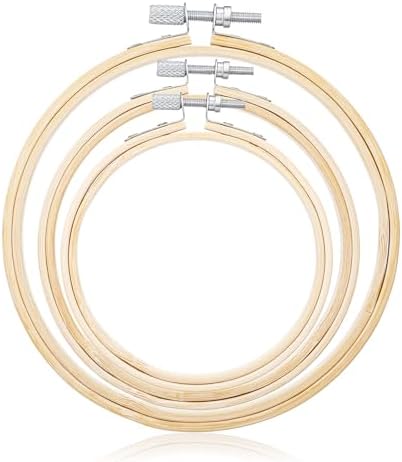


As an Amazon Associate, we earn from qualifying purchases.
Own the Complete Encyclopedia
The Encyclopedia of Needlework contains over 800 pages of stitches, patterns, and techniques.
Get your own hardcover reprint of this 1886 masterpiece.