From the Original Text
“French double seam—For joining such stuffs as fray, use the so-called French-seam. Run your two pieces of stuff together, the wrong sides touching, and the edges perfectly even, then turn them round just at the seam, so that the right sides come together inside, and the two raw edges are enclosed between, and run them together again. See that no threads are visible on the outside.”
— Thérèse de Dillmont, Encyclopedia of Needlework, 1886
Modern Step-by-Step Instructions
The French double seam completely encloses raw edges, making it perfect for fabrics that fray easily. This technique creates a strong, finished seam with no visible raw edges on either side—essential for delicate materials and fine garments.
What You’ll Need
- Delicate fabric — Materials prone to fraying like silk, chiffon, or fine cotton
- Fine thread — Thread appropriate for your fabric weight
- Sharp needle — To prevent snagging delicate fibers
- Small scissors — For trimming seam allowances
- Pins — To align edges precisely
- Iron — For pressing seams accurately
How to Work the French Double Seam
- Place fabrics wrong sides together with edges perfectly aligned.
- Pin and run first seam about 1/4 inch from raw edge.
- Trim seam allowances to 1/8 inch if needed.
- Turn fabric inside out so right sides are now together inside.
- Press seam flat to create sharp fold along seam line.
- Run second seam enclosing raw edges completely inside.
- Check for visible threads—none should show on either right side.
Expert Tips for the Perfect French Double Seam
- Use smaller seam allowances on fine fabrics to reduce bulk
- Press carefully to avoid shiny marks on delicate materials
- Ensure edges are perfectly aligned before first stitching
- Trim first seam allowance evenly to prevent lumps
- Check that no threads peek out after turning and before final seam
- Use fine machine stitching for consistent, strong seams
- Press final seam to one side for flat finish
Traditional Uses
French seams were essential for working with delicate, fraying materials:
- Silk garments — Blouses, dresses, and lingerie
- Fine cotton lawn — Delicate blouses and undergarments
- Organdy and voile — Transparent and semi-sheer fabrics
- Chiffon — Evening wear and formal garments
- Batiste — Fine undergarments and baby clothing
- Handkerchief linen — Delicate accessories
- Bridal fabrics — Wedding gowns and formal wear
- Children’s clothing — Delicate garments requiring durability
Historical Note
The French seam became essential as delicate imported fabrics became fashionable in the 19th century. Silks, fine cottons, and other luxury materials from India, China, and France required special handling that traditional seaming couldn’t provide. The technique was considered a mark of fine dressmaking and was standard in French couture houses, hence the name. De Dillmont notes it was “chiefly used in dress-making,” reflecting its importance in professional garment construction for wealthy clients who could afford such delicate fabrics.
Recommended Supplies
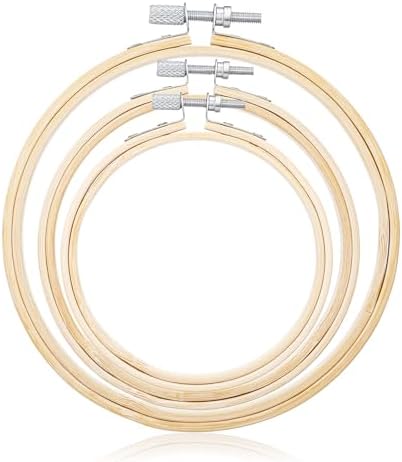


As an Amazon Associate, we earn from qualifying purchases.
Own the Complete Encyclopedia
The Encyclopedia of Needlework contains over 800 pages of stitches, patterns, and techniques.
Get your own hardcover reprint of this 1886 masterpiece.