From the Original Text
“Antique or old-German seam—Tack or pin the selvedges together as above, then, pointing your needle upwards from below, insert it, two threads from the selvedge, first on the wrong side, then on the right, first through one selvedge, then through the other, setting the stitches two threads apart. In this manner, the thread crosses itself, between the two selvedges, and a perfectly flat seam is produced.”
— Thérèse de Dillmont, Encyclopedia of Needlework, 1886
Modern Step-by-Step Instructions
The antique or old-German seam is a traditional technique for joining selvedges that creates perfectly flat seams through crossed threading. This historical method was essential when fabric widths were narrow and every inch had to be utilized efficiently.
What You’ll Need
- Fabric with selvedges — Narrow-width fabric requiring joining
- Matching thread — Thread that blends with the fabric
- Sharp needle — For precise placement near selvedges
- Pins or basting thread — To secure selvedges during stitching
- Small ruler — For measuring consistent thread spacing
- Good lighting — Essential for accurate thread counting
How to Work the Antique/Old-German Seam
- Pin selvedges together aligning them carefully for consistent stitching.
- Point needle upward from below starting two threads from the selvedge.
- Insert on wrong side first through the first selvedge.
- Cross to right side and insert through the second selvedge.
- Alternate between selvedges maintaining two-thread spacing.
- Create crossing pattern where thread crosses itself between selvedges.
- Continue systematically to create a perfectly flat seam.
Expert Tips for the Perfect Antique/Old-German Seam
- Count threads carefully—precision creates the flat appearance
- Maintain consistent needle angle for even crossing pattern
- Keep thread tension moderate—too tight will pucker the seam
- Work slowly to establish the alternating rhythm
- Use the straight version for most applications, slanting for sheets
- Mark starting points lightly if needed for consistent spacing
- Practice on scraps first to master the crossing technique
Traditional Uses
The antique seam was essential for maximizing narrow fabric widths:
- Antique linens — Found in museum-quality embroidered pieces
- Sheet construction — Using slanted version for bed linens
- Historical reproductions — Period-accurate garment construction
- Narrow fabric projects — When fabric width is insufficient
- Fine needlework — Where perfectly flat seams are required
- Conservation work — Repairing antique textiles authentically
- Traditional crafts — Maintaining historical techniques
Historical Note
The old-German seam represents centuries of Germanic needlework tradition, developed when fabric was precious and widths were severely limited. This technique allowed needleworkers to create wide pieces from narrow fabric strips while maintaining perfectly flat seams essential for comfort and appearance. Thérèse de Dillmont noted it “occurs in old embroidered linen articles, where the stuff was too narrow to allow for any other” method. The technique survived because it solved a fundamental problem: joining fabrics without creating bulk or weakness—a testimony to the ingenuity of historical needleworkers.
Recommended Supplies
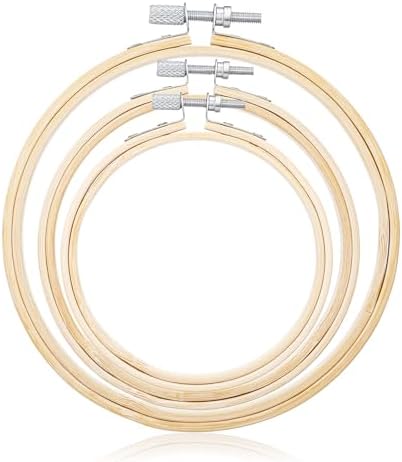


As an Amazon Associate, we earn from qualifying purchases.
Own the Complete Encyclopedia
The Encyclopedia of Needlework contains over 800 pages of stitches, patterns, and techniques.
Get your own hardcover reprint of this 1886 masterpiece.