From the Original Text
“Running-stitch—This is the simplest and easiest of all. Pass the needle in and out of the material, at regular intervals, in a horizontal direction, taking up three or four threads at a time. If the stuff allow, several stitches may be taken on the needle at once, before the thread is drawn out. Running-stitch is used for plain seams, for joining light materials, for making gathers and for hems.”
— Thérèse de Dillmont, Encyclopedia of Needlework, 1886
Modern Step-by-Step Instructions
The running stitch is the foundation of all needlework—truly the most essential stitch to master. Often called the “straight stitch” in modern embroidery, it’s used for basic seaming, gathering, basting, outlining designs, and as the foundation for many decorative variations like Sashiko and kantha embroidery.
What You’ll Need
- Fabric — Any fabric; beginners should start with medium-weave cotton
- Thread — Cotton or polyester thread, embroidery floss, or perle cotton
- Needle — Sharp or universal needle sized appropriately for your thread and fabric
- Thimble — Optional but helpful for longer seams
- Embroidery hoop — Recommended for decorative work
How to Work the Running Stitch
- Anchor your thread by making a small knot or taking a few tiny backstitches in the seam allowance.
- Insert the needle from the front of the fabric at your starting point.
- Weave through the fabric by pushing the needle down and back up in one motion, creating even stitches.
- Maintain consistent spacing—ideally, the stitches and spaces should be equal in length.
- Take multiple stitches on your needle before pulling through (up to 4-5 stitches for efficiency).
- Pull the thread through gently to avoid puckering the fabric.
- Continue in the same manner until you reach your endpoint.
Expert Tips for the Perfect Running Stitch
- Keep your stitches and spaces equal in length for the most professional appearance
- For gathering, use longer stitches (1/4 inch) and don’t pull the thread tight until the end
- Practice on scrap fabric to develop an even rhythm before starting your project
- Use a thimble on your middle finger when working long seams to prevent soreness
- For decorative work, vary stitch length intentionally to create visual interest
- Mark guidelines lightly with a ruler and fabric pencil for perfectly straight lines
Traditional Uses
Running stitch has been used for centuries in both practical and decorative applications:
- Plain seaming — Joining fabric pieces for construction
- Gathering — Creating ruffles and controlling fullness
- Basting/tacking — Temporary stitching to hold pieces together
- Hemming — Simple hem finishing for lightweight fabrics
- Quilting — Traditional hand quilting uses small, even running stitches
- Sashiko — Japanese mending and decorative technique
- Kantha — Bengali embroidery style using layers of running stitches
- Outlining — Defining shapes in embroidery designs
Historical Note
The running stitch is arguably humanity’s oldest needlework technique. Archaeological evidence shows running stitches in textiles dating back thousands of years across virtually every culture that developed weaving. In the Victorian era, it was considered so fundamental that Thérèse de Dillmont listed it first among the four essential plain sewing stitches, noting it as “the simplest and easiest of all.” The stitch’s versatility made it indispensable for everything from basic garment construction to elaborate decorative work like English whitework and Indian chikankari embroidery.
Recommended Supplies
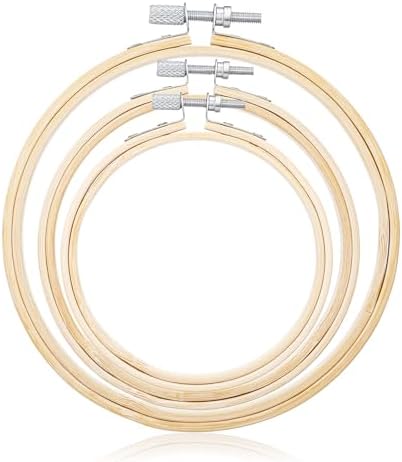


As an Amazon Associate, we earn from qualifying purchases.
Own the Complete Encyclopedia
The Encyclopedia of Needlework contains over 800 pages of stitches, patterns, and techniques.
Get your own hardcover reprint of this 1886 masterpiece.