From the Original Text
“Back-stitch—Insert the needle, and draw it out six threads further on, carry your thread back, from left to right, and insert the needle three threads back from the point at which it was last drawn out, and bring it out six threads beyond. Stitching and back-stitching are better and more quickly done by machine than by hand.”
— Thérèse de Dillmont, Encyclopedia of Needlework, 1886
Modern Step-by-Step Instructions
The back stitch is one of the strongest hand-sewn stitches and a fundamental technique in both plain sewing and embroidery. This versatile stitch creates a continuous line that resembles machine stitching, making it ideal for seams that need durability and precision.
What You’ll Need
- Fabric — Any weight; works well on woven fabrics
- Thread — Strong thread for seaming or embroidery floss for decorative work
- Needle — Sharp needle appropriate for your thread weight
- Thimble — Recommended for comfort during extended stitching
- Ruler — For marking guidelines if needed
How to Work the Back Stitch
- Start from the right and work toward the left (for right-handed sewers).
- Bring needle up through the fabric at your starting point.
- Insert needle backward one stitch length behind where you came up.
- Bring needle up two stitch lengths forward from your starting point.
- Insert needle back down at your original starting point, creating a continuous line.
- Repeat the forward-back pattern, keeping stitches even in length.
- Maintain consistency in spacing and tension throughout.
Expert Tips for the Perfect Back Stitch
- Keep your stitches small and even—typically 1/8 to 1/4 inch long
- Pull thread snugly but not so tight that it puckers the fabric
- For seaming, work 12-16 stitches per inch for maximum strength
- Use a thimble to push the needle—back stitch requires more pressure than running stitch
- Draw a guide line with ruler and fabric pencil for perfectly straight seams
- In embroidery, vary stitch length intentionally for artistic effect
Traditional Uses
Back stitch has been essential for both practical and decorative needlework:
- Seaming — Strong, durable seams for garment construction
- Outlining — Defining shapes and designs in embroidery
- Text embroidery — Filling in letters and monograms
- Stem work — Creating flower stems and linear elements
- Blackwork — Traditional English embroidery technique
- Assisi work — Italian counted-thread embroidery
- Hand quilting — Securing layers before decorative quilting
- Mending — Reinforcing worn areas and tears
Historical Note
The back stitch has been used for millennia, with examples found in ancient Egyptian textiles and medieval European embroideries. In the Victorian era, it was considered one of the four essential plain sewing stitches. Thérèse de Dillmont noted that while it could be done by hand, it was “better and more quickly done by machine”—reflecting the Industrial Revolution’s impact on needlework. Despite mechanization, hand-worked back stitch remained prized for fine embroidery, particularly in blackwork and Holbein stitch, where the precision of hand stitching was irreplaceable.
Recommended Supplies
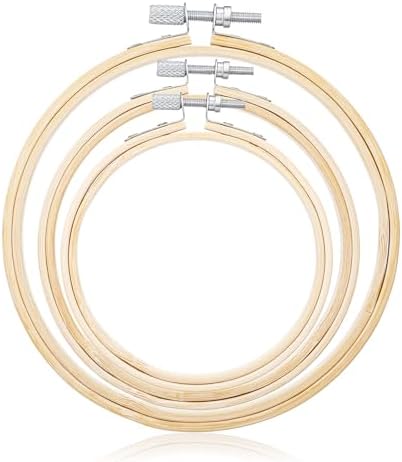


As an Amazon Associate, we earn from qualifying purchases.
Own the Complete Encyclopedia
The Encyclopedia of Needlework contains over 800 pages of stitches, patterns, and techniques.
Get your own hardcover reprint of this 1886 masterpiece.