From the Original Text
“Shaded eyelet holes worked half overcast create a subtle dimensional effect by varying the coverage around the circumference. Part of the hole is worked with full overcasting while the remainder is left with minimal stitching, creating the impression of light falling across a curved surface.”
— Thérèse de Dillmont, Encyclopedia of Needlework, 1886
Modern Step-by-Step Instructions
Shaded eyelet holes worked with half overcasting create subtle three-dimensional effects through strategic variation in stitch coverage. By fully overcasting only part of each hole’s circumference while leaving other areas with minimal stitching, these eyelets appear to catch light naturally. This technique offers a more restrained approach to dimensional effects than full shaded eyelets while still adding visual interest and depth.
What You’ll Need
- Embroidery floss — 1-2 strands for delicate shading effects
- Sharp stiletto — For clean, round hole piercing
- Fine embroidery needle — Size 9-11 for precise stitch control
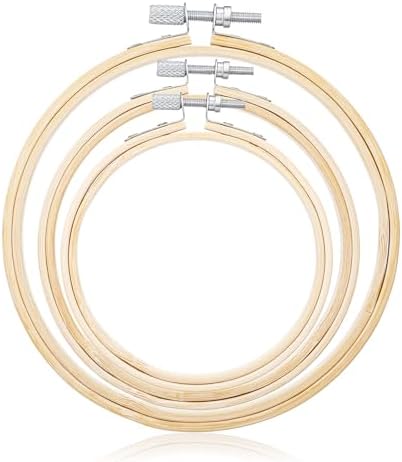
- Embroidery hoop — To maintain fabric tension during varied stitching
- Good lighting — For consistent shading decisions across the work
- Template or guide — For uniform hole sizes and shading placement
How to Work the Shaded Eyelet Holes (Half Overcast)
- Pierce clean holes with stiletto for smooth edges.
- Determine light direction for consistent shading across all eyelets.
- Begin on the “highlight” side with minimal overcasting—just enough to secure edges.
- Work around gradually, increasing stitch density toward the “shadow” side.
- Create full overcasting on approximately half the circumference.
- Transition smoothly between full and minimal coverage areas.
- Leave highlight areas delicate—avoid over-stitching the light side.
- Complete each hole before moving to the next for consistency.
Expert Tips for the Perfect Shaded Eyelet Holes (Half Overcast)
- Plan your shading before starting—decide which direction light should fall
- Keep the lightly stitched areas very delicate to maintain contrast
- Work systematically around each hole for smooth transitions
- Use single strand on highlight side, double strand for shadow areas
- Practice the coverage variation on scraps before starting your project
- Keep the overall effect subtle—dramatic contrasts can look harsh
- Secure all raw edges even in the minimally stitched areas
- View your work in natural light to assess the dimensional effect
Traditional Uses
Half overcast shaded eyelets provided sophisticated effects for refined needlework:
- Fine lingerie — Subtle dimensional effects appropriate to delicate garments
- Christening sets — Gentle shading for special occasion infant wear
- Afternoon dress details — Refined decoration for daytime formal wear
- Handkerchief borders — Elegant finishing for personal accessories
- Collar embellishments — Sophisticated detail work on garment elements
- Guest towels — Impressive decoration for hospitality linens
- Bridal accessories — Romantic details for wedding trousseau items
Historical Note
Half overcast shaded eyelets represented the Victorian aesthetic principle of “refined restraint”—achieving maximum effect through minimum means. This technique showed sophisticated understanding that subtlety could be more elegant than dramatic contrast. The partial shading created just enough dimensional illusion to add interest without overwhelming the overall design. De Dillmont’s inclusion of this nuanced technique reflected how Victorian needlework valued both technical skill and artistic judgment. The ability to create convincing light effects through such minimal intervention demonstrated mastery not just of technique, but of visual perception and artistic sensitivity. These eyelets proved that even the smallest details could contribute significantly to the overall artistic impact of a piece.
Recommended Supplies


As an Amazon Associate, we earn from qualifying purchases.
Own the Complete Encyclopedia
The Encyclopedia of Needlework contains over 800 pages of stitches, patterns, and techniques.
Get your own hardcover reprint of this 1886 masterpiece.