From the Original Text
“Blanket stitch. This is worked from left to right. Insert the needle from the front into the fabric at the required distance from the edge, hold the working thread under the needle, and draw it through, thus forming a looped edge. This stitch is used for edging blankets and other materials to prevent fraying.”
— Thérèse de Dillmont, Encyclopedia of Needlework, 1886
Modern Step-by-Step Instructions
Blanket stitch creates a decorative edge that also prevents fraying, making it both functional and beautiful. The characteristic looped edge can be worked in regular patterns or varied for decorative effect, making it perfect for edging, appliqué, and ornamental borders.
What You’ll Need
- Fabric to edge — Any type, from fine to heavy materials
- Embroidery thread — Weight appropriate to fabric thickness
- Sharp needle — Size to match thread and fabric weight
- Embroidery scissors — For clean thread cutting
- Ruler or guide — For marking consistent stitch spacing
- Good lighting — Important for maintaining even stitches
How to Work the Blanket Stitch
- Start at left edge and secure thread with small knot or backstitches.
- Insert needle from front to back at desired distance from edge.
- Loop working thread under the needle before pulling through.
- Pull needle through the loop to create characteristic blanket stitch edge.
- Move to the right and repeat the process for the next stitch.
- Keep spacing even and maintain consistent stitch depth.
- Continue along edge until complete, securing thread at end.
Expert Tips for the Perfect Blanket Stitch
- Keep stitches evenly spaced for professional appearance—mark intervals if needed
- Maintain consistent stitch depth from edge for uniform look
- Don’t pull too tightly; the looped edge should lie flat and smooth
- For decorative effects, vary stitch height in regular patterns
- Use contrasting thread colors for bold decorative borders
- Work smoothly and rhythmically to develop consistent technique
- Perfect for appliqué work—helps secure edges while adding decoration
- Practice on scraps to find the right spacing and tension for your project
Traditional Uses
Blanket stitch has served both practical and decorative functions throughout history:
- Blanket edges — Preventing fraying while adding decorative finish
- Appliqué work — Securing fabric pieces while creating attractive edges
- Garment finishing — Edging sleeves, hems, and openings
- Household linens — Decorative finishing for towels, napkins, and tablecloths
- Children’s clothing — Practical and pretty edging for everyday wear
- Craft projects — Joining felt pieces and finishing raw edges
- Traditional costumes — Folk and regional dress ornamentation
Historical Note
Blanket stitch exemplified Victorian needlework’s union of function with beauty. De Dillmont’s description of working “from left to right” with “working thread under the needle” provided the fundamental technique still used today. The stitch’s name directly reflected its primary purpose—finishing blanket edges to prevent the expensive woolen fabric from fraying and falling apart. However, Victorian needleworkers quickly recognized its decorative potential, using it for ornamental borders, appliqué work, and as a foundation for more complex edge treatments. The technique represented practical needlework at its most elegant—solving a real problem while creating beauty.
Recommended Supplies
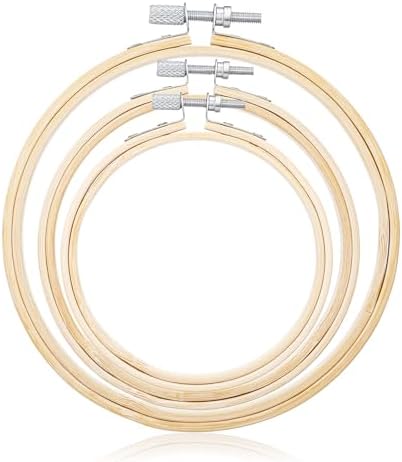


As an Amazon Associate, we earn from qualifying purchases.
Own the Complete Encyclopedia
The Encyclopedia of Needlework contains over 800 pages of stitches, patterns, and techniques.
Get your own hardcover reprint of this 1886 masterpiece.