From the Original Text
“Venetian embroidery is distinguished by its bold cutwork patterns and substantial buttonhole bars that connect isolated design elements. The technique creates dramatic contrasts between solid fabric areas and open spaces, requiring precise planning and masterful execution to achieve its characteristic sculptural quality.”
— Thérèse de Dillmont, Encyclopedia of Needlework, 1886
Modern Step-by-Step Instructions
Venetian embroidery represents the pinnacle of Renaissance cutwork techniques, characterized by bold geometric patterns, substantial buttonhole bars, and dramatic open areas. This sophisticated technique transforms fabric into sculptural lacework through careful removal of background fabric and replacement with decorative stitched elements. The style requires advanced planning skills and precise execution to achieve its characteristic architectural beauty.
What You’ll Need
- Linen fabric — Medium to heavy weight for structural stability
- Linen thread — High quality thread for durable buttonhole work
- Sharp embroidery scissors — Essential for precise cutwork
- Fine needles — Size 8-10 for detailed buttonhole stitching
- Design transfer materials — For accurate pattern placement
- Embroidery hoop — Large enough to accommodate design sections
How to Work the Venetian Embroidery
- Transfer the complete design accurately to fabric before beginning work.
- Work all buttonhole outlines around areas to be cut, using close stitches.
- Create substantial bars where needed to connect design elements.
- Add decorative picots and wheels according to the pattern.
- Work all connecting elements before cutting any fabric.
- Cut away background fabric carefully with sharp scissors.
- Finish all raw edges with additional buttonhole stitching if needed.
- Press carefully to maintain the sculptural quality of the work.
Expert Tips for the Perfect Venetian Embroidery
- Plan the entire piece before starting—Venetian work requires perfect execution from the beginning
- Use only high-quality linen thread for durability and appearance
- Work buttonhole stitches very closely for strong cut edges
- Pay special attention to bar placement—they must be structurally sound
- Cut fabric only after all connecting elements are complete
- Practice on samples before attempting large projects
- Use good lighting and magnification for intricate details
- Allow plenty of time—rushing will compromise the quality
Traditional Uses
Venetian embroidery adorned the most prestigious textiles of the Renaissance and Victorian eras:
- Altar cloths — Sacred textiles requiring the highest artistry
- Table linens — Formal dining pieces for special occasions
- Window hangings — Architectural textiles that played with light
- Bed hangings — Luxurious bedroom furnishings for the wealthy
- Ceremonial garments — Court dress and formal wear details
- Guild banners — Professional and religious organization displays
- Wedding trousseau — The finest linens for marriage celebrations
Historical Note
Venetian embroidery reached its zenith during the Renaissance when Venice was Europe’s gateway to Eastern luxury goods and artistic techniques. The style reflected the city’s architectural grandeur—bold, geometric, and sculpturally conceived. Unlike other cutwork traditions that favored delicate effects, Venetian work emphasized strength and dramatic contrast. The technique required substantial investment in time and materials, making finished pieces symbols of wealth and status. De Dillmont’s inclusion of this demanding technique in her encyclopedia showed how Victorian needleworkers sought to master the most challenging historical methods, viewing technical mastery as both personal achievement and cultural preservation.
Recommended Supplies
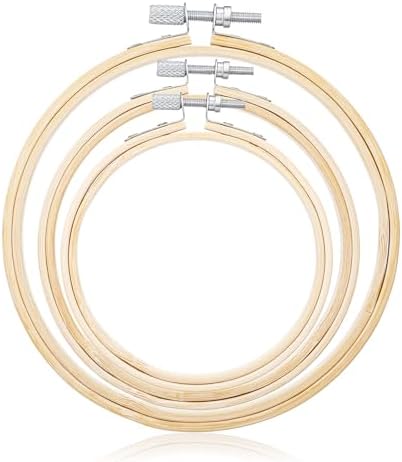


As an Amazon Associate, we earn from qualifying purchases.
Own the Complete Encyclopedia
The Encyclopedia of Needlework contains over 800 pages of stitches, patterns, and techniques.
Get your own hardcover reprint of this 1886 masterpiece.