From the Original Text
“Slipping stitches.—Pass the needle through the loop without drawing the cotton through, slip it on to the right needle. When several stitches have to be slipped, pass the cotton to the back of the work.”
— Thérèse de Dillmont, Encyclopedia of Needlework, 1886
Modern Step-by-Step Instructions
Slipping stitches involves transferring stitches from one needle to another without working them, creating the foundation for decreases, colorwork, and many decorative techniques. This fundamental skill enables sophisticated shaping and pattern effects while maintaining proper stitch orientation and fabric structure.
What You’ll Need
- Knitting needles — Smooth tips help stitches slip easily
- Practice yarn — Smooth yarn shows slipped stitches clearly
- Stitch markers — Helpful for tracking slipped stitch patterns
- Good lighting — Important for seeing stitch orientation
- Pattern instructions — Clear directions for slip stitch placement
How to Work the Slipping Stitches
- Insert right needle into first stitch as if to purl (unless specified otherwise).
- Transfer stitch from left needle to right needle without working it.
- Move yarn position to back of work when slipping multiple stitches.
- Continue pattern according to specific instructions.
- Work next stitches normally after completing slip stitch sequence.
- Check stitch orientation to ensure proper mounting for next row.
- Count carefully to maintain correct stitch numbers.
- Practice consistency in slip stitch tension and placement.
Expert Tips for the Perfect Slipping Stitches
- Default to slipping purlwise unless pattern specifies knitwise
- Keep yarn position consistent with pattern requirements
- Don’t pull too tightly on slipped stitches—they should move easily
- Pay attention to stitch orientation for proper mounting
- Use slipped stitches for clean edges and decorative effects
- Practice on swatches before attempting complex slip stitch patterns
Traditional Uses
Slipping stitches enabled sophisticated techniques in Victorian knitting:
- Decrease shaping — Creating fitted garment silhouettes
- Colorwork patterns — Managing multiple yarns in stranded knitting
- Decorative edges — Clean, professional-looking borders
- Textural patterns — Creating surface interest through slip stitches
- Heel construction — Essential for sock and stocking making
- Short row shaping — Creating curves without seaming
- Pattern adjustments — Fine-tuning stitch counts and alignment
Historical Note
Slipping stitches represented advanced knitting technique that separated accomplished needleworkers from beginners during the Victorian era. This skill was essential for creating the fitted, shaped garments that fashionable society demanded, enabling complex decrease sequences and colorwork patterns. De Dillmont’s precise instructions reflect the period’s systematic approach to technical education, where each skill built upon previous knowledge. The technique’s applications in heel turning and garment shaping made it crucial for practical needlework, while its decorative possibilities elevated knitting from purely functional to artistic endeavor. Victorian knitting patterns often featured elaborate slip stitch combinations that created striking visual effects while demonstrating the maker’s technical competence. Mastery of slipped stitches marked the progression from basic knitting to sophisticated garment construction.
Recommended Supplies


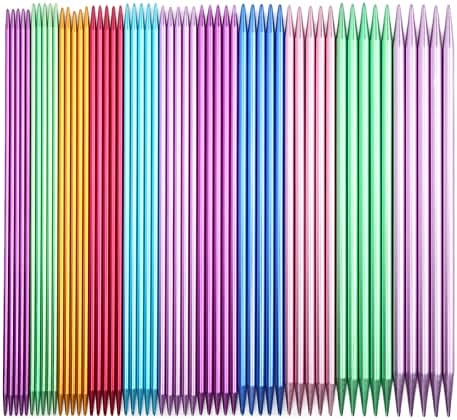
As an Amazon Associate, we earn from qualifying purchases.
Own the Complete Encyclopedia
The Encyclopedia of Needlework contains over 800 pages of stitches, patterns, and techniques.
Get your own hardcover reprint of this 1886 masterpiece.