From the Original Text
“Raised stitches.—Instead of putting the needle through the loop of the preceding row, put it between the 2 perpendicular threads of the stitch below, and knit in the usual way.”
— Thérèse de Dillmont, Encyclopedia of Needlework, 1886
Modern Step-by-Step Instructions
Raised stitches create dimensional texture by working into the stitch below rather than the current row, producing distinctive raised elements that stand out from the fabric surface. This advanced technique enables sophisticated textural patterns and three-dimensional effects that add visual and tactile interest to knitted pieces.
What You’ll Need
- Smooth yarn — Shows raised definition most clearly
- Appropriate needles — Sharp tips help with precise stitch placement
- Pattern chart — Visual guide helpful for complex raised patterns
- Good lighting — Essential for seeing stitch structure clearly
- Advanced skill level — Should master basic techniques first
How to Work the Raised Stitches
- Identify target stitch in the row below current working row.
- Insert needle between the two legs of the stitch below.
- Pick up and knit through the stitch below, creating new stitch.
- Continue row normally after working raised stitch.
- Maintain stitch count as raised stitches don’t increase total.
- Work subsequent rows according to pattern instructions.
- Check pattern alignment to ensure raised elements form properly.
- Block carefully to enhance three-dimensional effects.
Expert Tips for the Perfect Raised Stitches
- Practice identifying stitch structure before attempting raised patterns
- Use sharp needle tips for easier insertion between stitch legs
- Keep even tension to maintain consistent raised height
- Work slowly until the technique becomes comfortable
- Use stitch markers to track complex raised pattern repeats
- Block finished pieces to enhance the dimensional qualities
Traditional Uses
Raised stitches created sophisticated effects in Victorian knitting:
- Textural panels — Adding dimensional interest to plain garments
- Decorative borders — Creating raised trim effects
- Artistic patterns — Complex designs showcasing advanced skill
- Luxury accessories — Scarves, shawls, and special-occasion pieces
- Garment details — Adding sophisticated finishing touches
- Teaching samples — Demonstrating advanced knitting techniques
- Exhibition pieces — Showwork displaying technical mastery
Historical Note
Raised stitches represented the pinnacle of technical achievement in Victorian knitting, requiring both advanced skill and artistic vision to execute effectively. This technique separated expert knitters from accomplished amateurs, marking the transition to true mastery of the craft. De Dillmont’s documentation of such complex methods shows how comprehensive needlework education was expected to progress from basic utility to sophisticated artistry. The dimensional effects achieved through raised stitches reflected Victorian appreciation for textural richness and sculptural qualities in domestic decoration. Garments featuring raised stitch patterns were often preserved as heirloom pieces, demonstrating not only technical competence but considerable investment of time and skill. This technique embodied the Victorian belief that the most beautiful and valuable handwork required the greatest expertise and patience to create, elevating practical needlework to the level of fine decorative arts.
Recommended Supplies


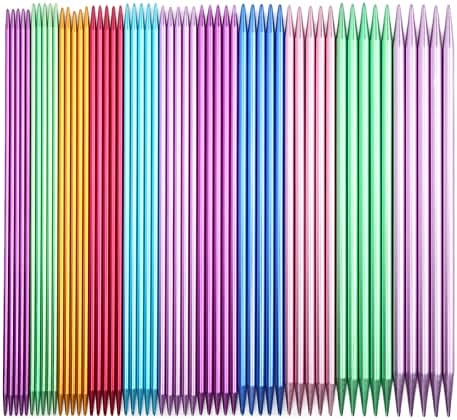
As an Amazon Associate, we earn from qualifying purchases.
Own the Complete Encyclopedia
The Encyclopedia of Needlework contains over 800 pages of stitches, patterns, and techniques.
Get your own hardcover reprint of this 1886 masterpiece.