From the Original Text
“Plaited stitch.—Put the needle through the loop from behind, but instead of drawing it out towards you, cross the cotton at the back and bring the needle out to the front.”
— Thérèse de Dillmont, Encyclopedia of Needlework, 1886
Modern Step-by-Step Instructions
The plaited stitch (twisted stitch) creates a rope-like, twisted appearance by changing how the yarn crosses when forming stitches. This technique produces denser fabric with distinctive vertical lines and increased elasticity, making it valuable both for decorative effects and functional applications requiring extra structure.
What You’ll Need
- Smooth yarn — Shows twisted definition most clearly
- Knitting needles — Sharp tips helpful for working twisted stitches
- Pattern guidance — Clear instructions for twist placement
- Good hand coordination — Requires modified stitch motion
- Practice time — Building smooth twisted stitch rhythm
How to Work the Plaited Stitch
- Insert needle into stitch from back to front (as for normal knit).
- Wrap yarn around needle in normal direction.
- Instead of pulling straight through cross the working yarn at the back.
- Bring needle to front completing the twisted motion.
- Let old stitch drop from left needle as normal.
- Continue pattern maintaining consistent twist direction.
- Work subsequent rows according to pattern instructions.
- Check alignment to ensure twisted columns form properly.
Expert Tips for the Perfect Plaited Stitch
- Practice the crossing motion until it becomes smooth and automatic
- Keep consistent tension to maintain uniform twist appearance
- Use sharp needle tips for easier twisted stitch manipulation
- Work slowly at first to establish proper technique
- Plan twisted stitch placement for balanced visual effects
- Block finished pieces to enhance the rope-like texture
Traditional Uses
Plaited stitches added structure and decoration to Victorian knitting:
- Cable preparation — Foundation technique for complex cable patterns
- Decorative panels — Creating textural interest in plain areas
- Structural elements — Adding stability to edges and seams
- Ethnic patterns — Traditional designs from various knitting cultures
- Garment details — Creating professional finishing touches
- Sock construction — Adding durability to high-wear areas
- Luxury accessories — Sophisticated effects for special pieces
Historical Note
The plaited stitch represents the international nature of knitting knowledge during the Victorian era, with twisted stitch techniques appearing in traditional patterns from Scotland, Ireland, Germany, and Central Europe. De Dillmont’s inclusion of this method shows how needlework education embraced diverse cultural traditions, recognizing that technical excellence could be found across different knitting cultures. The twisted stitch’s structural properties made it particularly valuable for creating durable, fitted garments that could withstand heavy use. Victorian knitters appreciated both the functional benefits—increased fabric stability and elasticity—and the decorative possibilities of twisted stitch work. This technique demonstrated how seemingly simple modifications to basic stitches could create dramatically different effects, encouraging experimentation and artistic development in domestic needlework. Mastery of plaited stitches marked progression toward the complex cable and twisted stitch patterns that characterized advanced Victorian knitting artistry.
Recommended Supplies


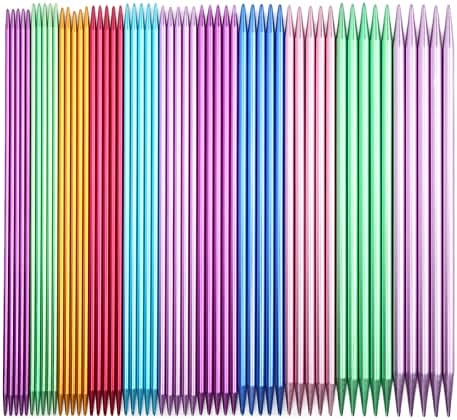
As an Amazon Associate, we earn from qualifying purchases.
Own the Complete Encyclopedia
The Encyclopedia of Needlework contains over 800 pages of stitches, patterns, and techniques.
Get your own hardcover reprint of this 1886 masterpiece.