From the Original Text
“Back or seam stitch.—In this stitch the needle is passed through the loop from right to left, or from behind forward; the cotton is brought to the front, and drawn through the loop towards you.”
— Thérèse de Dillmont, Encyclopedia of Needlework, 1886
Modern Step-by-Step Instructions
The back or seam stitch (known today as the purl stitch) is the complementary technique to the plain stitch, creating the textured “wrong side” of stockinette fabric. Combined with knit stitches, purling enables pattern creation, ribbing, and most complex knitting structures. This fundamental technique is essential for progressing beyond basic garter stitch.
What You’ll Need
- Knitting needles — Same size used for plain stitches
- Worsted weight yarn — Consistent with previous practice
- Basic knit stitch proficiency — Should master plain stitch first
- Good lighting — Important for seeing stitch formation clearly
- Practice time — Purl motion feels awkward initially
How to Work the Back/Seam Stitch
- Hold yarn in front of work (toward you) before beginning.
- Insert right needle through first stitch from back to front, right to left.
- Wrap working yarn counterclockwise around right needle tip.
- Draw wrapped yarn back through stitch, pulling toward you.
- Slide old stitch off left needle, keeping new stitch on right needle.
- Keep yarn in front position for next purl stitch.
- Repeat across row until all stitches are worked.
- Turn work and continue according to pattern instructions.
Expert Tips for the Perfect Back/Seam Stitch
- Keep yarn consistently in front—the most common beginner mistake
- The motion is “scoop toward you” rather than away from you
- Don’t pull too tightly; purl stitches tend to be snugger than knit stitches
- Practice alternating knit and purl to build muscle memory
- Count stitches carefully as purls can be harder to see if dropped
- Be patient—purl stitch motion takes longer to feel natural than knitting
Traditional Uses
Back/seam stitch was essential for sophisticated Victorian knitting:
- Stockinette stitch — Alternating knit and purl rows for smooth fabric
- Ribbing — Elastic edgings for cuffs, waistbands, and necklines
- Pattern knitting — Creating texture through knit/purl combinations
- Garter stitch variations — Adding texture to basic garter patterns
- Shaped garments — Essential for fitted clothing construction
- Decorative panels — Creating visual interest in plain garments
- Seaming preparation — Creating edges suitable for joining pieces
Historical Note
The back stitch (purl) marked the transition from basic knitting to sophisticated garment construction in Victorian needlework education. De Dillmont’s terminology reflects the era’s focus on the seaming applications of this technique—the textured surface created by purl stitches was often used as the foundation for decorative seaming and joining methods. The Victorian emphasis on proper technique meant that young women spent considerable time perfecting both knit and purl stitches before progressing to pattern work. The ability to maintain consistent tension in both stitches was considered a mark of accomplished needlework skill, essential for creating the fitted, professional-looking garments that Victorian society demanded. This dual-stitch mastery opened the door to the complex stitch patterns that characterized Victorian knitting artistry.
Recommended Supplies


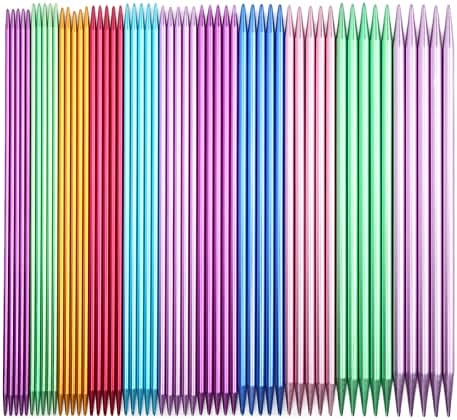
As an Amazon Associate, we earn from qualifying purchases.
Own the Complete Encyclopedia
The Encyclopedia of Needlework contains over 800 pages of stitches, patterns, and techniques.
Get your own hardcover reprint of this 1886 masterpiece.