From the Original Text
“Split stitch. This is like stem stitch, except that the needle, instead of being brought out to the side of the working thread, is brought out through its centre, thus splitting the thread. This stitch makes very fine lines, and is particularly useful for flower petals and delicate outlines.”
— Thérèse de Dillmont, Encyclopedia of Needlework, 1886
Modern Step-by-Step Instructions
Split stitch creates ultra-fine, smooth lines by literally splitting through the working thread with each new stitch. This technique produces an almost painted effect, making it ideal for delicate botanical work, detailed portraits, and anywhere a refined line quality is essential.
What You’ll Need
- Fine embroidery fabric — Closely woven cotton or linen
- Stranded embroidery floss — 2-3 strands work best for splitting
- Sharp needle — Size 9-10 embroidery needle with good point
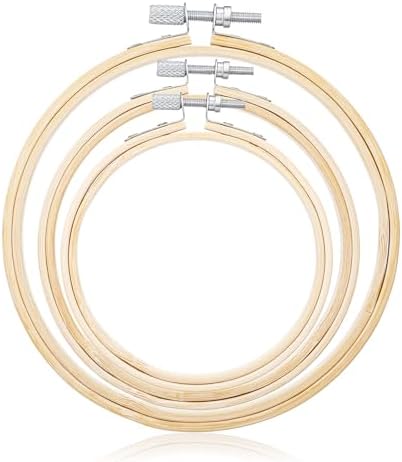
- Embroidery hoop — Essential for maintaining fabric tension
- Good lighting — Critical for seeing thread splitting clearly
- Magnification — Helpful for very fine detail work
- Steady hands — Requires precise needle placement
How to Work the Split Stitch
- Bring thread up at the starting point of your line.
- Insert needle forward about 1/8 inch along your design line.
- Bring needle up halfway back, but pierce directly through the center of your working thread.
- Pull needle through the split thread carefully—you should see the thread fibers separate.
- Continue forward with the same motion, always splitting the previous stitch.
- Maintain even spacing and consistent splitting for uniform line quality.
- Work slowly to ensure accurate thread splitting with each stitch.
Expert Tips for the Perfect Split Stitch
- Use stranded floss rather than twisted threads—stranded floss splits more easily and evenly
- Keep stitches relatively short for better control and more consistent splitting
- Pierce through the exact center of the thread for the best splitting effect
- Work slowly—rushing will result in missed splits and uneven line quality
- This technique requires good light and possibly magnification for precision work
- Practice on scraps first to develop the feel for splitting threads cleanly
- Perfect for botanical embroidery where ultra-fine lines are essential
- Avoid using this technique with metallic or specialty threads that don’t split well
Traditional Uses
Split stitch was prized for applications requiring the finest, most refined line quality:
- Botanical embroidery — Delicate flower petals and plant details
- Portrait work — Facial features and fine details in figured embroidery
- Religious embroidery — Delicate work on vestments and altar linens
- Miniature work — Small-scale detailed embroideries
- Opus Anglicanum — Medieval English ecclesiastical embroidery
- Fine monograms — Elegant lettering with ultra-fine lines
- Silk shading — Creating subtle gradations in high-end work
Historical Note
Split stitch represented the pinnacle of linear refinement in Victorian embroidery. De Dillmont’s description of bringing the needle “through the centre, thus splitting the thread” captured the technique’s precision requirements. This advanced method was essential for the period’s love of naturalistic botanical embroidery, where the finest details needed to be rendered with almost photographic accuracy. The technique’s demanding nature—requiring excellent eyesight, steady hands, and considerable patience—marked it as the domain of the most skilled needleworkers. In medieval times, split stitch was fundamental to the famous Opus Anglicanum ecclesiastical embroideries that were treasured across Europe.
Recommended Supplies


As an Amazon Associate, we earn from qualifying purchases.
Own the Complete Encyclopedia
The Encyclopedia of Needlework contains over 800 pages of stitches, patterns, and techniques.
Get your own hardcover reprint of this 1886 masterpiece.