From the Original Text
“Sloping stem stitch. This is used for stalks that are not straight. Work from left to right. Insert your needle slanting over three threads and three more in height, and bring it out again two threads back. This stitch produces a cord-like effect, and is useful for thick stalks and outlines.”
— Thérèse de Dillmont, Encyclopedia of Needlework, 1886
Modern Step-by-Step Instructions
The sloping stem stitch creates graceful curved lines perfect for botanical embroidery, flowing decorative borders, and organic design elements. This variation of the basic stem stitch produces a distinctive rope-like texture that adds dimensional interest to curved motifs.
What You’ll Need
- Embroidery fabric — Medium to fine weave cotton or linen
- Embroidery floss — 2-3 strands for standard work
- Embroidery needle — Size 7-9 crewel needle
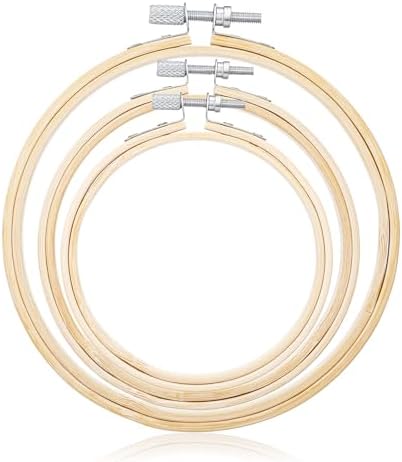
- Embroidery hoop — Essential for maintaining fabric tension
- Transfer paper — For marking curved lines accurately
- Good lighting — Important for following curves smoothly
How to Work the Sloping Stem Stitch
- Mark your curved line lightly on the fabric.
- Start at the left end of your design line.
- Insert needle diagonally slanting over 3 threads width and 3 threads height.
- Bring needle up 2 threads back along your curve.
- Keep thread to the right of the needle as in regular stem stitch.
- Follow the curve naturally, adjusting the slant to match the line direction.
- Maintain consistent stitch size for even cord-like appearance.
Expert Tips for the Perfect Sloping Stem Stitch
- The diagonal insertion creates the distinctive rope-like texture that makes this stitch special
- Adjust your slant angle to follow the natural curve of your design
- For tight curves, use shorter stitches to maintain smooth lines
- Practice on curved templates to develop smooth, flowing technique
- This stitch is ideal for plant stems, flowing borders, and Art Nouveau designs
- Work slowly around curves—rushing will create uneven, jagged lines
- Keep working thread tension consistent to maintain uniform cord appearance
Traditional Uses
Sloping stem stitch was particularly valued for its ability to create flowing, organic lines:
- Botanical embroidery — Curved plant stems and branches
- Floral designs — Vine tendrils and flowing flower stems
- Art Nouveau patterns — Organic, flowing decorative motifs
- Celtic knotwork — Interwoven decorative borders
- Monogram flourishes — Decorative swirls around letters
- Scroll work — Curved elements in formal designs
- Outline work — Following natural curves in realistic embroidery
Historical Note
The sloping stem stitch represented Victorian embroiderers’ sophisticated understanding of how stitch direction affects visual texture. De Dillmont’s specification of “slanting over three threads and three more in height” provided precise technical guidance for achieving the characteristic “cord-like effect.” This technique was essential for the period’s love of naturalistic botanical embroidery, where flowing plant forms required stitches that could gracefully follow organic curves. The distinction between straight and sloping stem stitches showed the era’s attention to technical precision—different tools for different design challenges.
Recommended Supplies


As an Amazon Associate, we earn from qualifying purchases.
Own the Complete Encyclopedia
The Encyclopedia of Needlework contains over 800 pages of stitches, patterns, and techniques.
Get your own hardcover reprint of this 1886 masterpiece.