From the Original Text
“Raised embroidery achieves sculptural effects through the strategic use of padding materials beneath surface stitching. The technique creates dimensional designs that appear to rise naturally from the fabric surface, requiring careful planning of both underlying structure and surface decoration.”
— Thérèse de Dillmont, Encyclopedia of Needlework, 1886
Modern Step-by-Step Instructions
Raised embroidery transforms flat fabric into sculptural artwork through strategic padding and layered stitching techniques. This dimensional approach creates designs that cast their own shadows and interact dramatically with light. The technique requires understanding of form, careful planning of padding placement, and mastery of covering stitches that follow three-dimensional contours smoothly.
What You’ll Need
- Base fabric — Sturdy fabric capable of supporting dimensional work
- Padding materials — Cotton batting, felt, or string for creating raised areas
- Embroidery threads — Various weights for different dimensional effects
- Sharp needles — Size 8-10 for most work, larger for thick threads
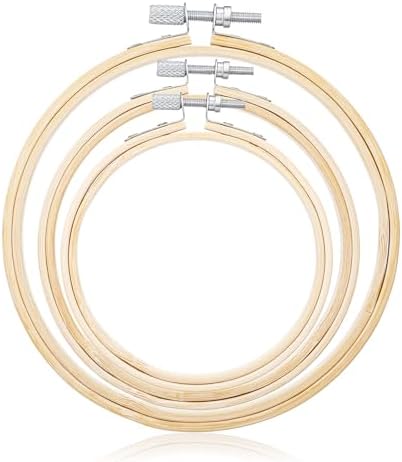
- Embroidery hoop or frame — Essential for maintaining fabric stability
- Small scissors — For precise trimming of padding materials
How to Work the Raised Embroidery
- Plan dimensional elements carefully before beginning any padding work.
- Apply padding materials in graduated layers to create smooth contours.
- Secure padding with small stitches that won’t show in the finished work.
- Work covering stitches that follow the three-dimensional form naturally.
- Vary stitch direction to enhance the sculptural quality of raised areas.
- Add surface details that complement the dimensional foundation.
- Consider light source when planning directional stitching for maximum impact.
- Finish edges carefully to maintain the illusion of natural dimension.
Expert Tips for the Perfect Raised Embroidery
- Build padding gradually—sudden height changes look unnatural
- Use appropriate padding materials for different effects—soft for organic forms, firm for geometric shapes
- Plan the viewing angle when designing dimensional elements
- Work covering stitches in directions that enhance rather than flatten the form
- Consider how the piece will be displayed when planning dimensional elements
- Test padding and covering combinations on samples before starting the main work
- Use varied thread weights to enhance the dimensional illusion
- Study sculpture and bas-relief for inspiration on creating convincing dimension
Traditional Uses
Raised embroidery created dramatic effects in prestigious textiles throughout history:
- Religious artwork — Sacred images with sculptural presence
- Heraldic banners — Coats of arms with dimensional impact
- Portrait embroidery — Facial features and clothing details with realistic dimension
- Floral studies — Botanical embroidery with natural three-dimensional quality
- Architectural motifs — Building elements that appear to project from the fabric
- Ceremonial garments — Court dress with impressive dimensional decoration
- Memorial pieces — Commemorative textiles with sculptural significance
Historical Note
Raised embroidery represented the needleworker’s aspiration to rival the sculptor’s art, creating three-dimensional effects that transformed flat textiles into sculptural experiences. The technique reached remarkable heights in 17th-century English stumpwork, where entire scenes were built up in high relief using complex padding systems. During the Victorian era, raised embroidery experienced renewed popularity as part of the period’s fascination with texture, dimension, and visual drama in domestic arts. De Dillmont’s documentation of these techniques preserved methods that required both technical skill and artistic vision—the ability to translate two-dimensional designs into convincing three-dimensional forms using only thread and padding materials.
Recommended Supplies


As an Amazon Associate, we earn from qualifying purchases.
Own the Complete Encyclopedia
The Encyclopedia of Needlework contains over 800 pages of stitches, patterns, and techniques.
Get your own hardcover reprint of this 1886 masterpiece.