From the Original Text
“Gold embroidery represents the pinnacle of needlework luxury, employing precious metal threads to create textiles of extraordinary richness and ceremonial importance. The technique requires specialized knowledge of metal thread handling and careful attention to preservation of the thread’s lustrous qualities throughout the working process.”
— Thérèse de Dillmont, Encyclopedia of Needlework, 1886
Modern Step-by-Step Instructions
Gold embroidery represents the ultimate expression of luxury in needlework, using precious metal threads to create textiles of unparalleled richness and ceremonial significance. This ancient technique requires specialized knowledge of metal thread properties, careful handling to preserve luster, and mastery of couching methods that secure the valuable threads efficiently. The work demands patience, precision, and understanding of how light interacts with metallic surfaces.
What You’ll Need
- Quality base fabric — Silk, velvet, or heavy linen suitable for supporting metal threads
- Gold threads — Real or high-quality imitation gold threads
- Silk couching thread — Fine silk thread for securing metal threads
- Sharp needles — Size 9-10 for couching, larger for pulling metal threads through
- Embroidery frame — Essential for maintaining proper tension
- Mellore or laying tool — For positioning metal threads precisely
How to Work the Gold Embroidery
- Prepare fabric in a sturdy frame to prevent distortion during working.
- Plan the design to make efficient use of precious metal threads.
- Lay gold threads smoothly on the fabric surface following design lines.
- Couch down threads with fine silk stitches at regular intervals.
- Work directionally to create consistent light reflection patterns.
- Handle threads carefully to preserve their lustrous finish.
- Secure thread ends properly by pulling through to the back.
- Finish work with gentle pressing using a pressing cloth.
Expert Tips for the Perfect Gold Embroidery
- Never pull gold threads tight—this damages their surface and reduces luster
- Use a mellore (laying tool) to position threads smoothly and evenly
- Work in consistent lighting to judge the reflective effects accurately
- Plan the direction of threads to create optimal light play
- Use silk couching thread that complements but doesn’t compete with the gold
- Store work carefully to prevent tarnishing of metal threads
- Practice couching technique thoroughly before working on precious materials
- Keep hands clean and dry to prevent tarnishing during work
Traditional Uses
Gold embroidery adorned the most important textiles across cultures and centuries:
- Religious vestments — Sacred garments for the highest ceremonies
- Royal regalia — Coronation robes and court ceremonial dress
- Military uniforms — Officer insignia and ceremonial military dress
- Diplomatic gifts — Presentation pieces for international relations
- Wedding garments — Bridal and groom attire for wealthy families
- Altar furnishings — Church textiles for major religious festivals
- Court furnishings — Palace textiles demonstrating royal wealth and power
Historical Note
Gold embroidery has been prized across civilizations as the ultimate expression of wealth, power, and divine connection. From ancient Egyptian burial garments to Byzantine ecclesiastical vestments, gold threads transformed textiles into objects of almost magical significance. The technique reached extraordinary heights in medieval European monasteries and Islamic courts, where master embroiderers developed sophisticated methods for working with precious metals. During the Victorian era, gold embroidery experienced renewed appreciation as part of the Gothic Revival movement and increased interest in historical techniques. De Dillmont’s documentation preserved traditional methods at a time when machine production was beginning to challenge hand-crafted luxury goods.
Recommended Supplies
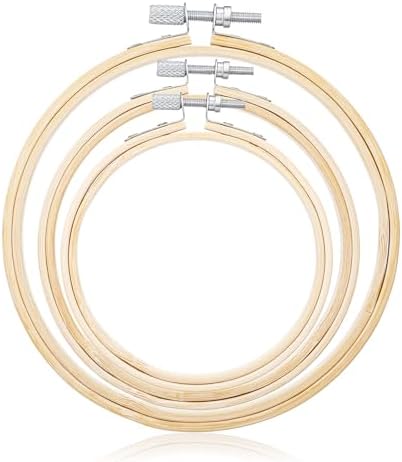


As an Amazon Associate, we earn from qualifying purchases.
Own the Complete Encyclopedia
The Encyclopedia of Needlework contains over 800 pages of stitches, patterns, and techniques.
Get your own hardcover reprint of this 1886 masterpiece.