From the Original Text
“Raised satin stitch is chiefly used for working flowers, leaves, petals, dots, initials and monograms. After tracing the outline of the design, fill in the centres with a padding of long, close stitches and then, beginning always at the point of the leaf, cover it with flat, perfectly even stitches, worked from right to left.”
— Thérèse de Dillmont, Encyclopedia of Needlework, 1886
Modern Step-by-Step Instructions
Raised satin stitch creates beautiful three-dimensional effects by building up areas with padding before covering with smooth satin stitch. This advanced technique produces sculptural quality embroidery that stands away from the fabric surface, adding dramatic texture and visual interest.
What You’ll Need
- Firm embroidery fabric — Must support raised work without distorting
- Padding thread — Cotton floss or perle cotton for building up areas
- Surface thread — Silk or high-quality cotton for final surface
- Sharp needles — Different sizes for padding and surface work
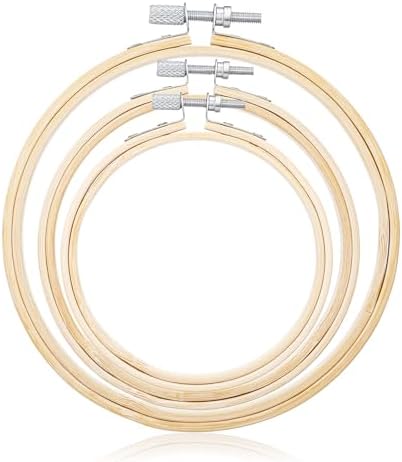
- Embroidery hoop — Essential for maintaining fabric stability
- Advanced skills — Requires experience with tension control
- Design planning — Must consider which elements should be raised
How to Work the Satin Stitch (Raised)
- Transfer design clearly onto fabric, marking areas to be raised.
- Create padding by filling the design with long, closely spaced stitches.
- Build up height with additional layers of padding as needed.
- Begin surface layer at the narrowest point (leaf tip, petal edge).
- Work satin stitches from right to left, covering the padding completely.
- Keep stitches parallel and perfectly even for smooth surface.
- Work systematically from narrow to wide areas for best control.
- Maintain even tension to prevent puckering or distortion.
Expert Tips for the Perfect Satin Stitch (Raised)
- Use different thread weights: heavier for padding, finer for surface work
- Graduate padding thickness to create natural-looking dimensional effects
- Always work surface stitches in the same direction for consistent appearance
- Start from the narrowest part and work toward wider areas for better control
- Use a laying tool or needle to keep surface threads perfectly parallel
- Don’t over-pad—too much height will cause surface threads to slip
- Consider using felt or other materials for very high raised effects
- This technique requires significant practice to master consistently
Traditional Uses
Raised satin stitch was reserved for the finest and most prestigious embroidery work:
- Botanical embroidery — Creating realistic flower petals and leaves
- Monograms and crests — Adding dimension to prestigious marking
- Religious vestments — High-status ecclesiastical embroidery
- Court embroidery — Royal and aristocratic ceremonial textiles
- Exhibition pieces — Demonstrating superior needlework skills
- Bridal accessories — Special occasion items requiring exceptional beauty
- Mourning jewelry — Elaborate memorial embroidery
Historical Note
Raised satin stitch represented the pinnacle of Victorian embroidery artistry, requiring both technical mastery and artistic understanding. De Dillmont’s instruction to “begin always at the point of the leaf” reflected sophisticated knowledge of how to achieve the most natural-looking results. The technique’s demanding nature—requiring perfect padding, flawless surface stitching, and excellent tension control—marked it as the domain of professional embroiderers and the most accomplished amateurs. The three-dimensional quality achieved challenged traditional ideas about embroidery as a flat medium, creating work that competed with sculpture in its dimensional interest and visual impact.
Recommended Supplies


As an Amazon Associate, we earn from qualifying purchases.
Own the Complete Encyclopedia
The Encyclopedia of Needlework contains over 800 pages of stitches, patterns, and techniques.
Get your own hardcover reprint of this 1886 masterpiece.