From the Original Text
“Flat satin stitch. Work close lines of stitches parallel to each other, carrying your thread across the whole width of the design to be filled in. The stitches should lie perfectly flat, side by side, be of exactly the same length, and completely cover the foundation.”
— Thérèse de Dillmont, Encyclopedia of Needlework, 1886
Modern Step-by-Step Instructions
Flat satin stitch creates smooth, lustrous filled areas by laying parallel threads closely side by side across a shape. This fundamental filling technique produces a beautiful silk-like surface that catches light beautifully, making it perfect for flowers, leaves, and decorative elements.
What You’ll Need
- Embroidery fabric — Tightly woven fabric that won’t pucker
- Embroidery floss — 3-6 strands depending on area size
- Sharp needle — Size 7-9 embroidery needle
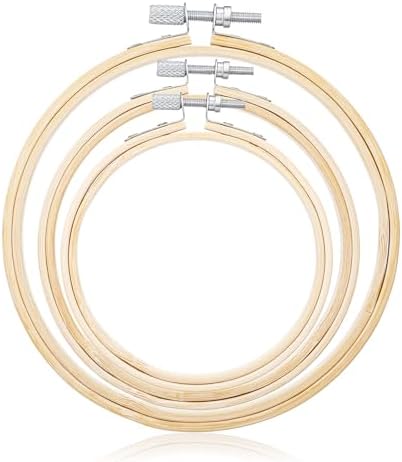
- Embroidery hoop — Essential for maintaining fabric tension
- Design transfer — Clear shape outlines are crucial
- Good lighting — Important for maintaining even stitches
- Patience — This technique requires careful, methodical work
How to Work the Satin Stitch (Flat)
- Transfer your design clearly onto the fabric—sharp outlines are essential.
- Bring thread up at one edge of the shape to be filled.
- Carry thread across the entire width of the shape in a straight line.
- Insert needle at the opposite edge, creating a long straight stitch.
- Bring needle up right next to your starting point for the next stitch.
- Work parallel stitches closely side by side until the entire shape is filled.
- Keep stitches flat and even in length for a smooth, lustrous surface.
Expert Tips for the Perfect Satin Stitch (Flat)
- Keep stitches perfectly parallel and evenly spaced—any irregularity will show
- Don’t pull threads too tight; they should lie flat without puckering the fabric
- For best results, follow the natural direction of the shape you’re filling
- Use a hoop to maintain fabric tension and prevent distortion
- Work from the narrowest part of a shape toward the wider areas
- For leaves and petals, work from tip toward base for most natural appearance
- Consider padding underneath for raised satin stitch effects
- Practice on geometric shapes before attempting organic forms
Traditional Uses
Flat satin stitch has been fundamental to fine embroidery traditions worldwide:
- Floral embroidery — Flower petals and leaves in botanical designs
- Monograms and lettering — Solid, elegant letter forms
- Chinese silk embroidery — Traditional silk thread on silk fabric work
- Japanese embroidery — Precise geometric and natural forms
- European whitework — Tone-on-tone embroidery in white thread
- Crewel work — Traditional English wool embroidery
- Religious vestments — High-quality ecclesiastical embroidery
Historical Note
Flat satin stitch represents one of embroidery’s most ancient and universal techniques, appearing in textiles from civilizations across the globe. De Dillmont’s emphasis on stitches that “lie perfectly flat, side by side” captured the technique’s demanding precision requirements. The lustrous surface created by properly executed satin stitch was particularly prized in an era when embroidery competed with painting in creating beautiful decorative effects. Victorian needleworkers understood that the quality of satin stitch—its smoothness, evenness, and sheen—immediately revealed the skill level of the embroiderer, making it both a fundamental technique and a test of competence.
Recommended Supplies


As an Amazon Associate, we earn from qualifying purchases.
Own the Complete Encyclopedia
The Encyclopedia of Needlework contains over 800 pages of stitches, patterns, and techniques.
Get your own hardcover reprint of this 1886 masterpiece.