From the Original Text
“Tent stitch forms the foundation of the finest canvas work, consisting of small diagonal stitches that cover single canvas intersections. When worked consistently, these minute stitches create smooth, even surfaces capable of the most detailed pictorial representations.”
— Thérèse de Dillmont, Encyclopedia of Needlework, 1886
Modern Step-by-Step Instructions
Tent stitch forms the cornerstone of fine needlepoint, creating small diagonal stitches over single canvas intersections that build into detailed, photographic-quality images. This precise technique requires patience and consistency but rewards the worker with unparalleled ability to render fine details, subtle color gradations, and complex pictorial subjects. Mastery of tent stitch opens the door to the highest levels of canvas artistry.
What You’ll Need
- Fine canvas — High count canvas (18+ threads per inch) for detailed work
- Fine threads — Single strand silk or cotton for precise coverage
- Small tapestry needles — Size 22-24 for fine canvas work
- Magnification — Essential for accurate stitch placement on fine canvas
- Excellent lighting — Crucial for detailed work and color accuracy
- Canvas frame — To maintain precise canvas tension
How to Work the Tent Stitch
- Mount fine canvas carefully in frame for optimal tension.
- Bring needle up at the bottom-left of the first stitch intersection.
- Insert needle down at the top-right of the same intersection.
- Work consistently in the same diagonal direction throughout.
- Maintain even tension for uniform stitch appearance.
- Plan color placement carefully for smooth gradations.
- Work systematically to avoid gaps or overlaps.
- Use magnification as needed to maintain accuracy.
Expert Tips for the Perfect Tent Stitch
- Master consistent stitch direction—uniformity is crucial for professional results
- Use single thread strands for the finest detail and color control
- Work in good lighting with magnification to prevent eye strain
- Plan color changes carefully—tent stitch shows every thread placement
- Practice on samples before attempting complex designs
- Use appropriate thread length (12-15 inches) to prevent excessive wear
- Keep canvas clean—fine work shows every mark
- Allow adequate time—tent stitch requires patience for best results
Traditional Uses
Tent stitch enabled the finest achievements in canvas work throughout history:
- Petit point — Ultra-fine pictorial work rivaling painted miniatures
- Portrait work — Detailed facial features and realistic representations
- Floral studies — Botanical accuracy with subtle color gradations
- Heraldic devices — Precise rendering of coats of arms and symbols
- Book covers — Miniature masterpieces protecting precious volumes
- Jewelry boxes — Intricate decoration for luxury accessories
- Sample work — Demonstration pieces showcasing technical mastery
Historical Note
Tent stitch represents the highest technical achievement in canvas work, enabling needleworkers to rival painters in their ability to render complex images with photographic accuracy. The technique reached extraordinary heights in 18th and 19th-century petit point work, where aristocratic ladies created masterpieces of astonishing detail and refinement. During the Victorian era, tent stitch work became a mark of both technical skill and social status—the finest pieces required enormous investments of time and demonstrated the maker’s dedication to perfectionist craft. De Dillmont’s documentation preserved this pinnacle technique at a time when changing lifestyles threatened such time-intensive arts. Tent stitch proved that needlework could achieve true artistic greatness through patient technical mastery.
Recommended Supplies
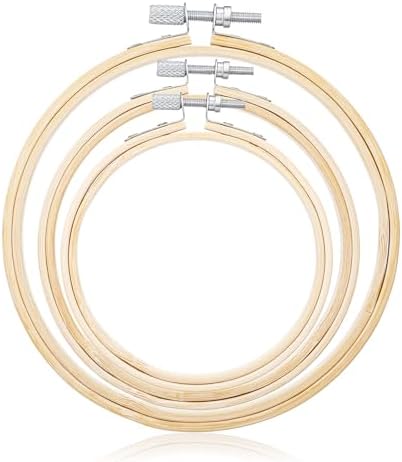


As an Amazon Associate, we earn from qualifying purchases.
Own the Complete Encyclopedia
The Encyclopedia of Needlework contains over 800 pages of stitches, patterns, and techniques.
Get your own hardcover reprint of this 1886 masterpiece.