From the Original Text
“Stem stitch when adapted for canvas work maintains its characteristic rope-like appearance while conforming to the counted thread structure of canvas. This creates distinctive linear effects suitable for outlining and decorative line work in canvas embroidery.”
— Thérèse de Dillmont, Encyclopedia of Needlework, 1886
Modern Step-by-Step Instructions
Stem stitch adapted for canvas work creates distinctive linear effects while maintaining the characteristic rope-like texture of traditional stem stitch. This adaptation requires working within the constraints of canvas grid while preserving the stitch’s essential character. The result provides excellent outlining and linear decoration that adds organic flowing lines to geometric canvas work.
What You’ll Need
- Canvas — Medium gauge canvas that accommodates curved lines
- Tapestry wool or thread — Weight appropriate for desired line quality
- Tapestry needles — Size matched to thread weight and canvas
- Pattern guide — Design showing curved or linear elements
- Canvas frame — To maintain proper canvas tension
- Good lighting — For accurate stitch placement on counted threads
How to Work the Stem Stitch (Canvas)
- Plan the line direction within the canvas grid constraints.
- Bring needle up at the starting point of the line.
- Insert needle forward along the line, following canvas threads when possible.
- Bring needle up halfway back along the stitch just made.
- Continue forward with consistent stitch length and overlap.
- Adapt to canvas structure while maintaining stem stitch character.
- Keep consistent direction of working thread placement.
- Secure thread ends appropriately for canvas work.
Expert Tips for the Perfect Stem Stitch (Canvas)
- Adapt stitch length to work harmoniously with canvas gauge
- Maintain consistent thread placement for uniform rope-like appearance
- Plan curved lines carefully to work within canvas constraints
- Use appropriate thread weight for the scale of linear work
- Practice the adaptation technique on samples first
- Consider how canvas structure affects the stitch appearance
- Work systematically to maintain consistent quality
- Use stem stitch for outlining areas of different canvas techniques
Traditional Uses
Canvas stem stitch provided distinctive linear effects for specialized applications:
- Outlining work — Defining shapes and areas in canvas designs
- Floral stems — Realistic plant elements in pictorial work
- Calligraphic elements — Letter forms and decorative scripts
- Border details — Linear decoration within geometric borders
- Architectural lines — Building elements requiring curved or diagonal lines
- Landscape elements — Natural features like paths and shorelines
- Mixed technique work — Combining with other canvas stitches
Historical Note
The adaptation of stem stitch for canvas work demonstrated the Victorian needleworker’s versatility in applying traditional embroidery techniques to different contexts. This crossover between free embroidery and counted thread work showed how skilled practitioners could expand their technical vocabulary by creative adaptation of familiar stitches. The technique reflected the 19th-century belief in maximizing the decorative potential of every tool and technique through intelligent application. De Dillmont’s documentation of such adaptations encouraged needleworkers to think creatively about technique, seeing each stitch not as fixed in one context but as adaptable to various situations where its unique character could contribute to the overall artistic effect.
Recommended Supplies
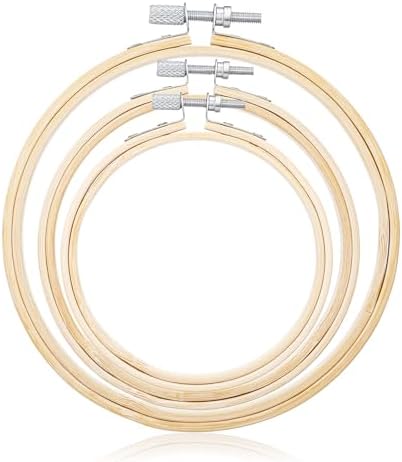


As an Amazon Associate, we earn from qualifying purchases.
Own the Complete Encyclopedia
The Encyclopedia of Needlework contains over 800 pages of stitches, patterns, and techniques.
Get your own hardcover reprint of this 1886 masterpiece.