From the Original Text
“Rice stitch consists of large cross stitches with small diagonal stitches worked over each arm of the cross, creating a textured pattern reminiscent of scattered rice grains. The combination of large and small elements produces rich visual texture ideal for decorative filling.”
— Thérèse de Dillmont, Encyclopedia of Needlework, 1886
Modern Step-by-Step Instructions
Rice stitch creates distinctive textured patterns by overlaying small diagonal stitches on large cross stitches, producing a rich, granular surface texture. This technique offers excellent opportunities for color play between the base crosses and accent stitches. The resulting pattern provides substantial visual interest while maintaining good canvas coverage and structural integrity.
What You’ll Need
- Canvas — Medium gauge canvas suitable for layered stitching
- Two thread weights — Heavier for crosses, finer for diagonal accents
- Tapestry needles — Sizes appropriate for both thread weights
- Canvas frame — To support the layered stitch structure
- Color plan — Design showing cross and accent color relationships
- Good lighting — For accurate placement of small accent stitches
How to Work the Rice Stitch
- Work large crosses first, covering 4 canvas thread intersections.
- Space crosses evenly across the area to be filled.
- Complete all base crosses before adding diagonal accents.
- Work small diagonal stitches over each arm of every cross.
- Maintain consistent direction for all diagonal accent stitches.
- Use contrasting colors or values to emphasize the textural effect.
- Keep accent stitches uniform in size and placement.
- Secure threads carefully to support the layered structure.
Expert Tips for the Perfect Rice Stitch
- Plan color relationships carefully—contrast enhances the textural effect
- Keep base crosses uniform in size for consistent pattern rhythm
- Work all crosses before adding any accent stitches
- Use appropriate thread weights—heavier for crosses, finer for accents
- Maintain consistent direction for all diagonal accent stitches
- Consider viewing distance when planning the scale of elements
- Practice the technique on samples to perfect the rhythm
- Use a frame to maintain proper canvas tension throughout
Traditional Uses
Rice stitch provided rich textural filling for various decorative applications:
- Background areas — Interesting alternatives to plain stitch filling
- Border patterns — Decorative bands with complex surface texture
- Geometric designs — Filling areas requiring visual interest
- Picture work — Textural representation of natural surfaces
- Sampler work — Demonstration pieces showing stitch mastery
- Upholstery projects — Rich surface texture for furniture covering
- Decorative panels — Showcase pieces emphasizing technique
Historical Note
Rice stitch gained its name from the pattern’s resemblance to scattered grains of rice, reflecting the Victorian fondness for finding natural analogies in decorative patterns. The technique demonstrated how combining simple elements—crosses and diagonal stitches—could create complex visual effects through systematic application. This approach embodied the 19th-century belief in the accumulation of small, carefully executed details to achieve overall magnificence. De Dillmont’s documentation of rice stitch showed how traditional techniques could be adapted to create new decorative effects without requiring entirely new skills, making sophisticated needlework accessible to practitioners who had mastered the fundamental stitches.
Recommended Supplies
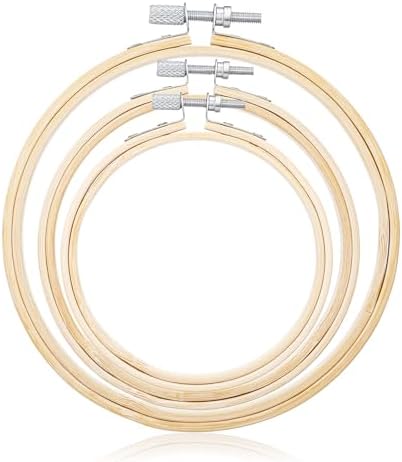


As an Amazon Associate, we earn from qualifying purchases.
Own the Complete Encyclopedia
The Encyclopedia of Needlework contains over 800 pages of stitches, patterns, and techniques.
Get your own hardcover reprint of this 1886 masterpiece.