From the Original Text
“Reps stitch imitates the distinctive corded texture of woven rep fabric through alternating vertical stitches of different heights. This technique creates pronounced ridged effects that add both visual interest and textural dimension to canvas work.”
— Thérèse de Dillmont, Encyclopedia of Needlework, 1886
Modern Step-by-Step Instructions
Reps stitch creates distinctive textural effects by alternating between short and tall vertical stitches, mimicking the corded surface of woven rep fabric. This technique adds visual interest and dimensional quality to canvas work while maintaining good coverage. The alternating rhythm creates natural color blending opportunities and textural variety that enhances both geometric and pictorial designs.
What You’ll Need
- Canvas — Medium gauge canvas that clearly shows the alternating pattern
- Tapestry wool or thread — Sufficient weight for good coverage at varying heights
- Tapestry needles — Size appropriate for chosen thread weight
- Canvas frame — To maintain proper tension during varied stitching
- Pattern guide — Clear marking of short and tall stitch placement
- Good lighting — For accurate stitch height measurement
How to Work the Reps Stitch
- Mount canvas securely to maintain consistent tension.
- Plan the pattern of alternating short and tall stitches.
- Work short stitches over 2 canvas threads in designated positions.
- Work tall stitches over 4 canvas threads in alternating positions.
- Maintain consistent vertical alignment throughout the pattern.
- Keep tension even across both stitch heights.
- Follow the rhythm of the alternating pattern carefully.
- Secure thread ends appropriately for the varied stitch structure.
Expert Tips for the Perfect Reps Stitch
- Maintain consistent stitch heights within each category for uniform texture
- Plan the alternating pattern carefully before beginning work
- Use appropriate thread weight to ensure good coverage at both heights
- Work systematically to maintain the rhythm of the pattern
- Consider color effects created by the alternating texture
- Keep vertical alignment precise for the best textural effect
- Use a frame to prevent distortion from varied stitch tensions
- Practice the alternating rhythm on samples before starting main work
Traditional Uses
Reps stitch provided distinctive textural effects for various decorative applications:
- Upholstery work — Furniture covering with sophisticated textural interest
- Decorative panels — Wall hangings emphasizing surface texture
- Border designs — Geometric bands with rhythmic textural patterns
- Background areas — Interesting alternatives to flat stitch coverage
- Architectural elements — Suggesting building textures and materials
- Geometric designs — Patterns emphasizing texture over pictorial content
- Mixed technique work — Combined with smoother stitches for contrast
Historical Note
Reps stitch emerged as needleworkers sought to replicate the sophisticated textures of expensive woven fabrics through their embroidery. The technique demonstrated the Victorian fascination with surface texture and the period’s technical innovation in developing stitches that could mimic other textile processes. This stitch represented the broader 19th-century interest in creating variety and visual interest through technique rather than relying solely on color and pattern. De Dillmont’s documentation showed how even specialized techniques like reps stitch contributed to the needleworker’s vocabulary of effects, allowing for more sophisticated and varied decorative treatments that kept pace with contemporary developments in textile manufacturing.
Recommended Supplies
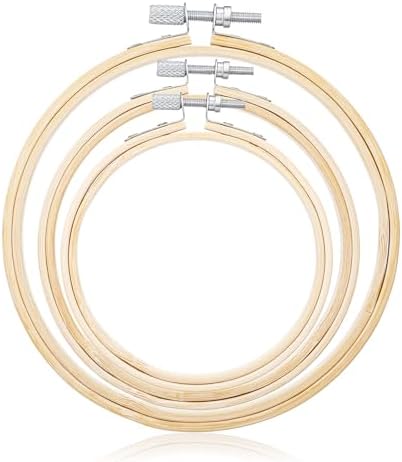


As an Amazon Associate, we earn from qualifying purchases.
Own the Complete Encyclopedia
The Encyclopedia of Needlework contains over 800 pages of stitches, patterns, and techniques.
Get your own hardcover reprint of this 1886 masterpiece.