From the Original Text
“Plait stitch creates interwoven effects through alternating diagonal stitches that cross over and under each other, mimicking the appearance of braided cords or ribbons. The technique requires careful attention to the over-under sequence to maintain the braided illusion.”
— Thérèse de Dillmont, Encyclopedia of Needlework, 1886
Modern Step-by-Step Instructions
Plait stitch creates convincing braided effects through carefully sequenced diagonal stitches that appear to weave over and under each other. This sophisticated technique requires systematic work to maintain the correct over-under pattern that creates the braided illusion. The result is a rich, dimensional surface texture that adds both visual interest and tactile appeal to canvas work.
What You’ll Need
- Canvas — Even-weave canvas that clearly shows the interlacing pattern
- Smooth thread — Thread that shows the braided effect cleanly
- Tapestry needles — Appropriate size for smooth thread passage
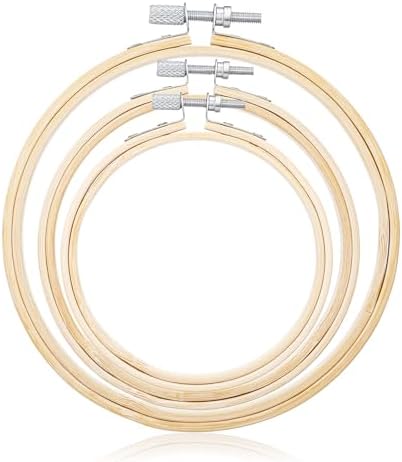
- Canvas frame — To maintain proper tension during complex stitching
- Pattern guide — Clear diagram showing the over-under sequence
- Good concentration — Essential for maintaining the correct pattern
How to Work the Plait Stitch
- Study the pattern carefully before beginning any stitching.
- Begin with foundation diagonal stitches in one direction.
- Add interlacing stitches following the over-under sequence precisely.
- Maintain consistent stitch tension to preserve the braided appearance.
- Work systematically to avoid confusion in the interlacing pattern.
- Check frequently that the over-under sequence is correct.
- Adjust tension as needed to enhance the dimensional effect.
- Complete sections systematically before moving to new areas.
Expert Tips for the Perfect Plait Stitch
- Master the over-under sequence on samples before starting main work
- Use smooth thread that shows the braided effect clearly
- Maintain consistent tension—too tight flattens the braided appearance
- Work systematically to maintain the correct interlacing pattern
- Use good lighting to see the pattern details clearly
- Take breaks to maintain concentration for complex sequences
- Consider color effects—multiple colors can enhance the braided illusion
- Practice on different canvas gauges to understand scale effects
Traditional Uses
Plait stitch created sophisticated braided effects for specific decorative purposes:
- Border designs — Decorative edging with braided appearance
- Celtic patterns — Interlaced designs reflecting traditional motifs
- Ribbon effects — Realistic representation of woven ribbons
- Architectural elements — Carved molding and decorative details
- Heraldic work — Interlaced elements in coats of arms
- Geometric patterns — Complex interlacing designs
- Sampler demonstrations — Showcase pieces showing technical mastery
Historical Note
Plait stitch reflected the Victorian fascination with trompe-l’oeil effects—creating convincing illusions of three-dimensional objects through two-dimensional needlework. The technique demonstrated how patient, systematic work could achieve effects that appeared to defy the limitations of flat fabric and thread. This approach embodied the 19th-century pursuit of technical virtuosity in domestic arts, where the goal was not simply decoration but the demonstration of skill sophisticated enough to create visual paradoxes. De Dillmont’s documentation of such challenging techniques showed how advanced needleworkers pushed beyond basic decoration toward true artistic achievement through mastery of complex technical effects.
Recommended Supplies


As an Amazon Associate, we earn from qualifying purchases.
Own the Complete Encyclopedia
The Encyclopedia of Needlework contains over 800 pages of stitches, patterns, and techniques.
Get your own hardcover reprint of this 1886 masterpiece.