From the Original Text
“Leaf stitch creates naturalistic foliage effects through radiating stitches that emanate from a central vein, mimicking the natural structure of leaves. The directional stitching captures both the form and growth patterns of natural vegetation.”
— Thérèse de Dillmont, Encyclopedia of Needlework, 1886
Modern Step-by-Step Instructions
Leaf stitch creates remarkably realistic foliage effects by radiating stitches outward from a central vein, closely mimicking the natural growth patterns of real leaves. This naturalistic technique requires careful attention to directional stitching and proportional shaping to achieve convincing botanical representations. The result adds organic beauty and realistic detail to canvas work.
What You’ll Need
- Canvas — Fine to medium gauge for detailed botanical work
- Green threads — Various shades for realistic leaf coloring
- Tapestry needles — Size appropriate for detailed directional work
- Botanical reference — Real leaves or accurate drawings for shape guidance
- Canvas frame — To maintain proper tension during directional stitching
- Good lighting — Essential for accurate color and direction work
How to Work the Leaf Stitch
- Outline leaf shape lightly on canvas as a working guide.
- Establish central vein with stem stitch or straight stitches.
- Begin radiating stitches from the central vein outward.
- Vary stitch length to create natural leaf proportions.
- Follow natural growth patterns with directional stitching.
- Blend colors subtly for realistic leaf coloration.
- Taper stitches toward leaf edges for natural shaping.
- Add detail stitching as needed for specific leaf characteristics.
Expert Tips for the Perfect Leaf Stitch
- Study real leaves to understand natural growth patterns and proportions
- Vary stitch lengths to create natural, irregular leaf edges
- Use multiple green shades for realistic color variation
- Work directional stitching carefully to suggest natural leaf structure
- Consider light source when planning color placement
- Practice on samples to perfect the naturalistic effects
- Use botanical references for accurate leaf shapes and proportions
- Blend colors gradually for smooth, natural transitions
Traditional Uses
Leaf stitch provided naturalistic effects for botanical and decorative canvas work:
- Floral pictures — Realistic foliage in botanical studies
- Garden scenes — Landscape work requiring natural plant elements
- Decorative borders — Vine and leaf patterns for edging
- Heraldic work — Oak leaves, laurel, and other symbolic foliage
- Seasonal designs — Autumn leaves and spring foliage
- Religious motifs — Palm branches and other sacred plant elements
- Mixed technique work — Combined with other stitches for complete botanical scenes
Historical Note
Leaf stitch reflected the Victorian era’s intense interest in natural history and botanical accuracy, coinciding with the period’s scientific advances in understanding plant structure and growth. The technique demonstrated how needlework could serve educational purposes, helping practitioners develop observational skills while creating beautiful decorative effects. This approach embodied the 19th-century belief that art should be informed by nature study, with accurate representation being as important as aesthetic appeal. De Dillmont’s documentation of such naturalistic techniques encouraged needleworkers to become careful observers of the natural world, viewing their craft as a means of capturing and preserving nature’s beauty through patient, detailed reproduction.
Recommended Supplies
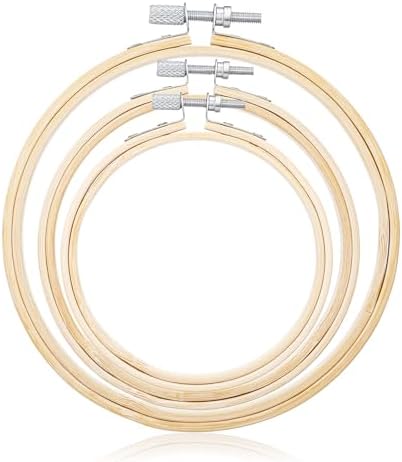


As an Amazon Associate, we earn from qualifying purchases.
Own the Complete Encyclopedia
The Encyclopedia of Needlework contains over 800 pages of stitches, patterns, and techniques.
Get your own hardcover reprint of this 1886 masterpiece.