From the Original Text
“Double stitch combines two different stitch techniques worked in succession over the same canvas area, creating richly textured surfaces with enhanced visual interest. The layered approach produces effects that neither stitch could achieve independently.”
— Thérèse de Dillmont, Encyclopedia of Needlework, 1886
Modern Step-by-Step Instructions
Double stitch represents a sophisticated approach to canvas work, layering two complementary stitching techniques to create complex textural and visual effects impossible to achieve with single techniques. This composite method requires careful planning to ensure the stitches work harmoniously together while each maintains its distinct character. The result is canvas work of exceptional richness and depth.
What You’ll Need
- Canvas — Sturdy canvas that can support multiple layers of stitching
- Multiple thread types — Different weights or textures for layered effects
- Various needle sizes — Appropriate for different thread weights
- Canvas frame — Essential for maintaining stability during complex work
- Pattern guide — Clear plan showing both stitch layers
- Good organization — System for managing multiple threads and techniques
How to Work the Double Stitch
- Plan both layers carefully before beginning any stitching.
- Complete the first stitch layer according to your design.
- Choose complementary second stitch that enhances rather than obscures the first.
- Work the second layer systematically over the completed first layer.
- Maintain proper tension in both layers to avoid distortion.
- Consider color interaction between the two stitch layers.
- Adjust techniques as needed to accommodate the layered structure.
- Secure all threads properly to support the complex structure.
Expert Tips for the Perfect Double Stitch
- Choose stitches that complement rather than compete with each other
- Plan color relationships carefully—layered stitches create optical mixing
- Work systematically to avoid confusion with multiple techniques
- Use appropriate thread weights for each layer’s function
- Test combinations on samples before committing to main work
- Consider how the viewing angle affects the layered appearance
- Maintain consistent quality standards in both stitch layers
- Keep detailed notes on successful combinations for future reference
Traditional Uses
Double stitch created sophisticated effects for prestigious canvas work:
- Luxury upholstery — Rich textural effects for fine furniture
- Ceremonial textiles — Complex surfaces appropriate to important occasions
- Decorative panels — Showcase pieces demonstrating advanced technique
- Picture work — Enhanced realism through textural layering
- Border treatments — Rich edging effects for special projects
- Sample work — Technical demonstrations showing skill mastery
- Gift items — Presentation pieces requiring exceptional finishing
Historical Note
Double stitch represented the Victorian pursuit of maximum decorative impact through technical sophistication rather than expensive materials alone. This technique demonstrated how skilled needleworkers could create effects rivaling the most costly textiles through patient layering of techniques. The approach reflected the period’s fascination with complexity and visual richness in domestic arts. De Dillmont’s documentation of such composite techniques showed how advanced practitioners pushed the boundaries of traditional needlework, creating new possibilities through creative combination of established methods. Double stitch proved that innovation in needlework often came not from inventing new stitches, but from imaginative applications of existing techniques.
Recommended Supplies
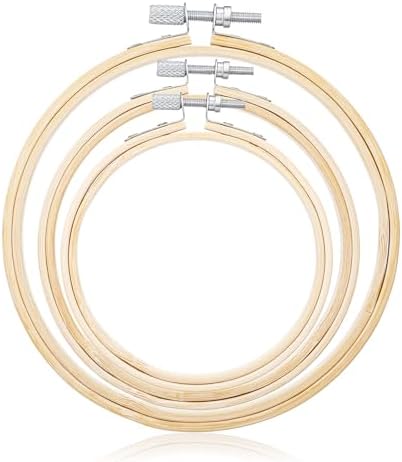


As an Amazon Associate, we earn from qualifying purchases.
Own the Complete Encyclopedia
The Encyclopedia of Needlework contains over 800 pages of stitches, patterns, and techniques.
Get your own hardcover reprint of this 1886 masterpiece.