From the Original Text
“Cross-stitch consists of two slanting stitches worked one over the other, forming a perfect cross. The regularity of the stitch depends upon working all the lower stitches in one direction and all the upper stitches in the opposite direction, maintaining absolute uniformity throughout the work.”
— Thérèse de Dillmont, Encyclopedia of Needlework, 1886
Modern Step-by-Step Instructions
Cross stitch forms the foundation of countless needlework traditions worldwide, creating uniform X-shaped stitches that build into complex patterns and pictorial designs. This versatile technique works equally well for geometric borders, samplers, and detailed pictorial work. The key to professional results lies in maintaining consistent stitch direction and even tension throughout the work.
What You’ll Need
- Even-weave fabric — Aida cloth, linen, or canvas with clear thread intersections
- Embroidery floss or wool — Thread appropriate to fabric gauge
- Tapestry needles — Blunt needles that won’t split fabric threads
- Embroidery hoop or frame — Optional but helpful for maintaining tension
- Good lighting — Essential for counting threads accurately
- Pattern chart — Grid-based design for following stitch placement
How to Work the Cross Stitch
- Count threads carefully to establish proper stitch placement.
- Work bottom half of all crosses in one direction (typically bottom-left to top-right).
- Complete top half of all crosses in the opposite direction (bottom-right to top-left).
- Maintain consistent direction for all top stitches throughout the work.
- Keep even tension so all stitches lie flat and uniform.
- Work in rows when possible for efficiency and consistency.
- Secure threads by weaving ends through completed stitches on the back.
- Count frequently to maintain accurate pattern placement.
Expert Tips for the Perfect Cross Stitch
- Always work top stitches in the same direction for uniform appearance
- Use thread lengths of 18-24 inches to prevent tangling and fraying
- Start and end threads by weaving through existing stitches—never use knots
- Count twice, stitch once—accuracy is crucial for complex patterns
- Keep fabric clean by washing hands frequently during work
- Use adequate light to prevent eye strain and counting errors
- Work systematically from center outward for large pieces
- Practice consistent tension on scraps before starting important projects
Traditional Uses
Cross stitch has served diverse purposes across cultures throughout history:
- Samplers — Educational needlework for learning letters, numbers, and moral verses
- Household linens — Marking and decorating towels, sheets, and tablecloths
- Folk costumes — Traditional garments with regional pattern variations
- Religious textiles — Altar cloths and vestments with symbolic motifs
- Commemorative pieces — Memorial and celebration embroidery
- Picture work — Pictorial designs for framing and display
- Children’s clothing — Simple decoration suitable for washable garments
Historical Note
Cross stitch represents one of humanity’s most universal needlework techniques, appearing independently in cultures worldwide wherever counted thread embroidery developed. The stitch’s geometric nature made it ideal for creating the complex symbolic patterns that carried cultural and spiritual meaning across generations. During the Victorian era, cross stitch experienced a renaissance through the sampler tradition and the growing middle-class emphasis on domestic arts education. De Dillmont’s careful documentation of proper technique reflected the period’s belief that even simple stitches deserved precise execution. The technique’s enduring popularity demonstrates how fundamental needlework skills transcend historical periods, providing both practical benefits and creative satisfaction across generations.
Recommended Supplies
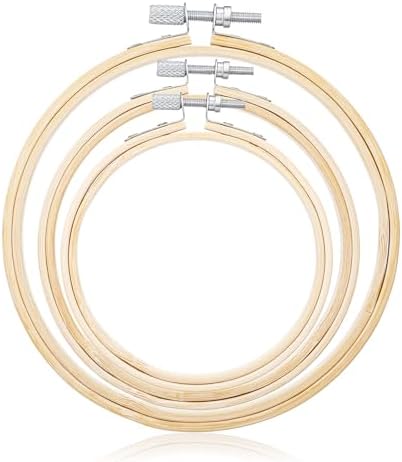


As an Amazon Associate, we earn from qualifying purchases.
Own the Complete Encyclopedia
The Encyclopedia of Needlework contains over 800 pages of stitches, patterns, and techniques.
Get your own hardcover reprint of this 1886 masterpiece.