From the Original Text
“Broad cross stitch extends the basic cross stitch principle by working over multiple canvas threads, creating larger crosses that cover canvas more rapidly while maintaining the fundamental crossed structure. This technique proves particularly useful for bold geometric designs and large-scale decorative effects.”
— Thérèse de Dillmont, Encyclopedia of Needlework, 1886
Modern Step-by-Step Instructions
Broad cross stitch amplifies the visual impact of traditional cross stitch by working larger crosses over multiple canvas threads, creating bold geometric effects and enabling rapid coverage of substantial areas. This technique maintains the structural stability of crossed stitches while achieving dramatic scale and visual presence. The larger format makes it ideal for contemporary design applications requiring strong graphic impact.
What You’ll Need
- Canvas — Medium to large gauge canvas appropriate for larger stitches
- Heavy thread — Tapestry wool or multiple strands for adequate coverage
- Large tapestry needles — Size appropriate for heavier thread weight
- Canvas frame — To manage increased tension from larger stitches
- Pattern guide — Design scaled appropriately for broader stitch size
- Sharp scissors — For clean cutting of heavier threads
How to Work the Broad Cross Stitch
- Mount canvas securely to handle increased stitch tension.
- Plan stitch size based on canvas gauge and design requirements.
- Work bottom diagonal across 3-4 canvas intersections in first direction.
- Work top diagonal in opposite direction to complete the cross.
- Maintain consistent size and direction throughout the work.
- Use adequate thread to ensure complete coverage of larger areas.
- Work systematically to maintain proper stitch alignment.
- Secure thread ends appropriately for the heavier structure.
Expert Tips for the Perfect Broad Cross Stitch
- Choose stitch size appropriate to the overall design scale
- Use heavier thread weight to ensure complete coverage
- Maintain consistent cross formation for uniform appearance
- Plan color placement carefully—larger stitches create bold color blocks
- Use a frame to prevent distortion from increased stitch tension
- Work with shorter thread lengths to prevent excessive wear
- Consider the viewing distance when planning stitch size
- Practice consistent formation on samples before starting main work
Traditional Uses
Broad cross stitch created bold effects for specific decorative applications:
- Geometric patterns — Large-scale designs with strong visual impact
- Border work — Wide decorative bands with structural strength
- Background areas — Rapid coverage of large spaces
- Folk art designs — Traditional patterns requiring bold execution
- Utilitarian items — Household furnishings prioritizing durability
- Children’s projects — Large stitches suitable for developing skills
- Quick completion work — Projects requiring faster progress
Historical Note
Broad cross stitch developed as needleworkers sought to achieve bold decorative effects more quickly than traditional fine cross stitch would allow. The technique reflected practical considerations of time and material economy while maintaining the structural integrity that made cross stitch so reliable for utilitarian items. During the Victorian era, this variation proved particularly valuable for domestic furnishings where visual impact mattered more than fine detail. De Dillmont’s documentation showed her understanding that needlework techniques must serve diverse purposes—from the finest artistic expression to practical household needs. Broad cross stitch demonstrated how fundamental techniques could be scaled to meet different aesthetic and functional requirements without losing their essential character.
Recommended Supplies
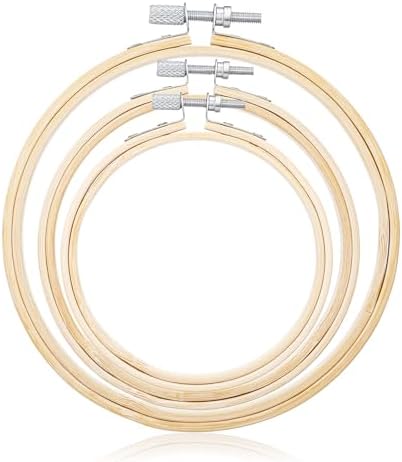


As an Amazon Associate, we earn from qualifying purchases.
Own the Complete Encyclopedia
The Encyclopedia of Needlework contains over 800 pages of stitches, patterns, and techniques.
Get your own hardcover reprint of this 1886 masterpiece.