From the Original Text
“Straight stem stitch. Work from left to right. Bring the thread out, insert the needle at the distance of 4 or 5 threads, bring it out again 2 or 3 threads back, keeping the thread always to the right of the needle. The stitches should all be of the same length.”
— Thérèse de Dillmont, Encyclopedia of Needlework, 1886
Modern Step-by-Step Instructions
The straight stem stitch creates clean, linear effects perfect for outlining, lettering, and geometric designs. This fundamental embroidery technique forms the backbone of many decorative patterns and provides essential structure in surface embroidery work.
What You’ll Need
- Embroidery fabric — Medium-weave cotton or linen recommended
- Embroidery floss — 2-3 strands for most applications
- Embroidery needle — Size 7-9 crewel needle works well
- Embroidery hoop — Essential for maintaining fabric tension
- Transfer materials — For marking straight lines if needed
- Good lighting — Important for maintaining even stitch length
How to Work the Straight Stem Stitch
- Mark your line lightly with a water-soluble pen or by counting threads.
- Bring thread up at the beginning of your line.
- Insert needle forward 4-5 threads (about 1/8 inch) along your line.
- Bring needle up 2-3 threads back from insertion point.
- Keep thread to the right of the needle throughout (crucial for proper appearance).
- Maintain consistent length for all forward movements.
- Continue along the line keeping stitches uniform in size and direction.
Expert Tips for the Perfect Straight Stem Stitch
- Always keep the working thread to the RIGHT of the needle—this creates the characteristic stem appearance
- Maintain consistent stitch length for professional-looking lines
- Use a hoop to prevent fabric puckering and maintain proper tension
- For sharp corners, end your line and start fresh rather than trying to turn
- Practice on scrap fabric to develop rhythm and muscle memory
- Mark guidelines lightly for complex linear designs
- Keep needle perpendicular to fabric for even stitch formation
Traditional Uses
Straight stem stitch was essential for many traditional embroidery applications:
- Outlining designs — Defining shapes and creating boundaries
- Lettering and monograms — Creating elegant text elements
- Geometric patterns — Linear elements in formal designs
- Plant stems — Realistic botanical embroidery
- Architectural details — Lines in building and structural elements
- Border work — Creating frames and decorative edges
- Understructure — Foundation lines for more complex stitching
Historical Note
The straight stem stitch represented one of embroidery’s most fundamental and versatile techniques. De Dillmont’s emphasis on working “from left to right” and keeping “thread always to the right of the needle” established the foundational rules still followed today. The instruction that “stitches should all be of the same length” reflected Victorian values of precision and uniformity. This stitch formed the structural backbone of countless embroidered pieces, from simple household linens to elaborate ceremonial textiles. Its reliability and clean appearance made it indispensable for both beginners learning basic techniques and masters creating complex compositions.
Recommended Supplies
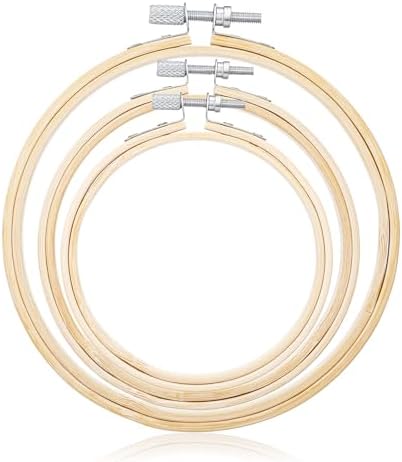


As an Amazon Associate, we earn from qualifying purchases.
Own the Complete Encyclopedia
The Encyclopedia of Needlework contains over 800 pages of stitches, patterns, and techniques.
Get your own hardcover reprint of this 1886 masterpiece.