From the Original Text
“Turkish cluster open-work—After portioning off, and sewing up the clusters on one side, draw out twelve or fourteen threads, and make your connecting-stitch and hem, all in one, as follows: bring out the thread before the cluster, and pass it round it, then from right to left, over three horizontal and under four perpendicular threads, again from left to right, over the four threads just passed over, and out at the second cluster; laying it over this, you bring it out behind the first cluster, wind it round the middle of them both, and pass it through, between the overcasting stitches back to the hem.”
— Thérèse de Dillmont, Encyclopedia of Needlework, 1886
Modern Step-by-Step Instructions
Turkish cluster open-work combines complex threading patterns with loop-stitches to create exotic decorative effects. This sophisticated technique integrates connecting-stitches and hem work in one elegant operation inspired by Ottoman needlework traditions.
What You’ll Need
- Even-weave fabric — Prepared with clustered work and 12-14 drawn threads
- Fine, strong thread — High-quality thread for complex threading
- Sharp needle — Size appropriate for detailed work
- Master-level skills — Requires extensive experience with open-work
- Excellent lighting — Essential for following complex thread paths
- Magnification — Helpful for seeing intricate details
- Considerable patience — This is slow, meticulous work
How to Work the Turkish Cluster Open-work
- Prepare clusters by portioning off and sewing up one side.
- Draw out 12-14 threads to create open-work area.
- Bring thread out before the first cluster.
- Pass thread around cluster then over 3 horizontal, under 4 perpendicular.
- Return left to right over the 4 threads just passed.
- Wind around both clusters at their middle point.
- Complete with loop-stitches and return through overcasting to hem.
Expert Tips for the Perfect Turkish Cluster Open-work
- This is master-level work—ensure you’ve mastered simpler techniques first
- Follow thread path exactly: over 3 horizontal, under 4 perpendicular
- The connecting-stitch and hem are worked as one integrated operation
- Use magnification to follow the complex thread intersections
- Work slowly and methodically—errors are difficult to correct
- Practice the thread path on scraps before working on final piece
- This technique requires exceptional thread control and precision
Traditional Uses
Turkish cluster open-work was reserved for the most prestigious and exotic applications:
- Exhibition masterpieces — Needlework displayed to show ultimate skill
- Diplomatic gifts — Presentations requiring cultural appreciation
- Museum-quality pieces — Items preserved as needlework examples
- Master’s teaching samples — Examples of supreme technique
- Competition winners — Award-level needlework demonstrations
- Cultural exchange pieces — Items showing international technique appreciation
- Royal household items — Linens for the most prestigious settings
Historical Note
The “Turkish” designation reflected the Victorian fascination with Ottoman Empire decorative arts and the era’s appreciation for exotic techniques. This complex method represented the pinnacle of 19th-century cultural exchange in needlework—European needleworkers adapting sophisticated Eastern techniques. The integration of “connecting-stitch and hem, all in one” showed advanced understanding of technique efficiency. De Dillmont’s inclusion of such complex international techniques demonstrated the Encyclopedia’s comprehensive scope and the era’s cosmopolitan approach to decorative arts education.
Recommended Supplies
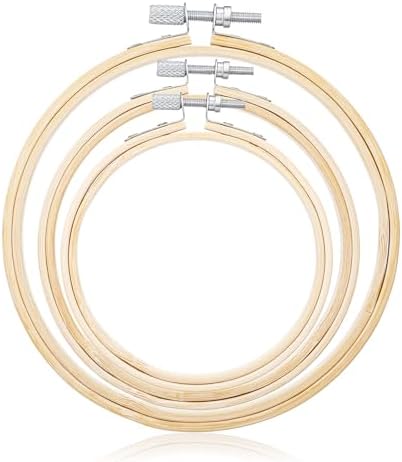


As an Amazon Associate, we earn from qualifying purchases.