From the Original Text
“Rounded seam—Back-stitch your two edges together, as above directed, then cut off the inner edge to a width of four threads, and roll the outer one in, with the left thumb, till the raw edge is quite hidden, hemming as you roll. This kind of seam, on the wrong side, looks like a fine cord, laid on, and is used in making the finer qualities of underclothing.”
— Thérèse de Dillmont, Encyclopedia of Needlework, 1886
Modern Step-by-Step Instructions
The rounded seam creates an elegant, cord-like finish that was the hallmark of fine underclothing. This sophisticated technique produces a decorative seam that looks like fine cording on the wrong side while maintaining strength and durability.
What You’ll Need
- Fine fabric — Lightweight materials like cotton lawn, silk, or batiste
- Fine thread — High-quality thread matching the fabric
- Sharp needle — Size 10-12 for precise stitching
- Small, sharp scissors — For accurate trimming
- Thimble — Essential for rolling and controlling the seam
- Good lighting — Critical for precise work
How to Work the Rounded Seam
- Back-stitch edges together following standard seaming technique.
- Trim inner seam allowance to exactly four thread widths.
- Begin rolling outer edge using your left thumb to control the fabric.
- Roll and hem simultaneously—hem as you roll to secure the edge.
- Keep rolling tight and even to create uniform cord appearance.
- Hide raw edge completely within the rolled fold.
- Work slowly and carefully to maintain consistent tension and appearance.
Expert Tips for the Perfect Rounded Seam
- Practice on scraps first—this technique requires considerable skill
- Keep thumb pressure consistent for uniform rolling
- Use sharp scissors for clean, precise trimming to four threads
- Work in good light—precision is critical for quality results
- Take frequent breaks to maintain concentration and hand steadiness
- Choose thread one shade darker than fabric for less visible stitches
- Roll tightly but not so tight that fabric puckers or distorts
Traditional Uses
Rounded seams marked the finest quality underclothing and delicate garments:
- Fine chemises — Luxury undergarments for wealthy women
- Corset covers — Delicate lingerie requiring refined finishing
- Nightgowns — High-quality sleepwear
- Baby clothing — Christening gowns and finest infant wear
- Handkerchiefs — Luxury accessories with decorative seaming
- Bridal undergarments — Trousseau pieces of exceptional quality
- Ladies’ drawers — Fine undergarments with decorative seaming
Historical Note
The rounded seam was the pinnacle of seamstress artistry in Victorian underclothing. Only the most skilled seamstresses could execute it properly, and garments featuring rounded seams commanded the highest prices. The technique was so valued that wealthy women often had their undergarments specially made with rounded seams as a mark of luxury and refinement. The cord-like appearance was both functional and beautiful, creating strong seams that wouldn’t chafe the skin while adding an elegant detail visible only to the wearer.
Recommended Supplies
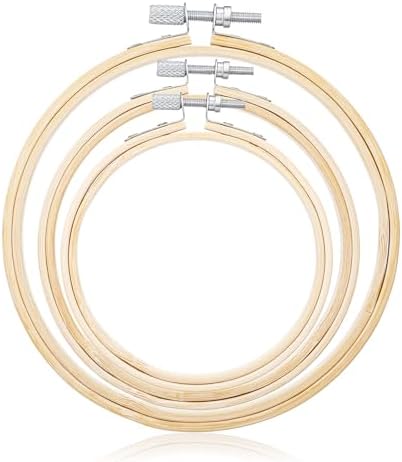


As an Amazon Associate, we earn from qualifying purchases.
Own the Complete Encyclopedia
The Encyclopedia of Needlework contains over 800 pages of stitches, patterns, and techniques.
Get your own hardcover reprint of this 1886 masterpiece.