From the Original Text
“Flat seam—Lay your two edges, whether straight or slanting, exactly even, tack them together with stitches 2 c/m. long, distant 1 to 2 c/m. from the edge, and then back-stitch them by machine or by hand, following the tacking-thread. Cut off half the inner edge, turn the outer one in, as for a hem and sew it down with hemming-stitches. Smooth the seam underneath with the forefinger as you go, to make it lie quite flat.”
— Thérèse de Dillmont, Encyclopedia of Needlework, 1886
Modern Step-by-Step Instructions
The flat seam creates a strong, finished seam with no raw edges exposed. This technique produces a professional-looking seam that lies completely flat, making it ideal for fine garments and household linens where both strength and appearance matter.
What You’ll Need
- Fabric pieces — Cut edges that need joining
- Strong thread — For both basting and permanent stitching
- Sharp needles — For precise basting and back-stitching
- Small scissors — For trimming seam allowances
- Ruler — For measuring seam allowances accurately
- Iron — For pressing the finished seam
How to Work the Flat Seam
- Align fabric edges perfectly, whether straight or angled cuts.
- Baste together with stitches about 3/4 inch long, 1/2 to 3/4 inch from edge.
- Back-stitch permanently following your basting line for accuracy.
- Trim inner seam allowance to half its original width.
- Fold outer allowance over like a hem, enclosing the trimmed edge.
- Hem down the fold with small, even stitches.
- Smooth constantly with your forefinger to keep seam flat.
Expert Tips for the Perfect Flat Seam
- Baste carefully—your permanent seam will follow this line exactly
- Press with thimble or scissors handle before hemming to prevent bulging
- Smooth seam constantly while working to maintain flatness
- Trim seam allowances gradually for less bulk
- Use matching thread for nearly invisible hemming stitches
- Keep hemming stitches small and evenly spaced
- Work slowly—rushing will create puckered, uneven seams
Traditional Uses
Flat seams were used where strength and finished appearance were essential:
- Fine garment construction — Blouses, dresses, and formal wear
- Undergarments — Chemises, drawers, and corset covers
- Household linens — Quality bed sheets and pillowcases
- Table linens — Tablecloths and formal napkins
- Baby clothing — Delicate garments requiring soft seams
- Ecclesiastical work — Vestments and altar linens
- Heirloom sewing — Wedding dresses and christening gowns
Historical Note
The flat seam represented the height of hand-sewing craftsmanship in the Victorian era. It required skill, patience, and considerable time—making it expensive and thus a mark of quality. Professional seamstresses charged premium prices for garments with flat seams, and wealthy households expected them on fine linens and clothing. The technique remained standard for high-end dressmaking well into the 20th century, only being displaced by serged seams and modern finishing methods.
Recommended Supplies
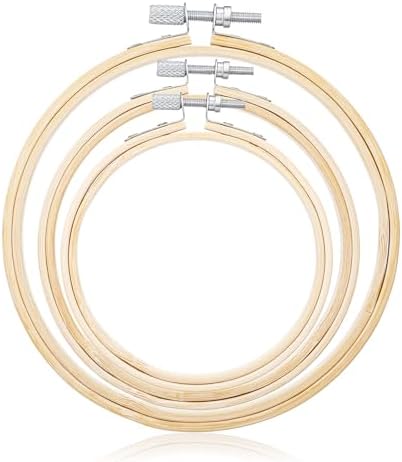


As an Amazon Associate, we earn from qualifying purchases.
Own the Complete Encyclopedia
The Encyclopedia of Needlework contains over 800 pages of stitches, patterns, and techniques.
Get your own hardcover reprint of this 1886 masterpiece.