From the Original Text
“Stitching—The production of a row of back-stitches, that exactly meet one another, constitutes what is called stitching. Only one stitch can be made at a time, and the needle must be put in, exactly at the point where it was drawn out to form the preceding back-stitch, and brought out as many threads further on as were covered by the last back-stitch. The beauty of stitching depends on the uniform length of the stitches, and the straightness of the line formed, to ensure which it is necessary to count the threads for each stitch, and to draw a thread to mark the line.”
— Thérèse de Dillmont, Encyclopedia of Needlework, 1886
Modern Step-by-Step Instructions
Stitching is the most precise and durable of all hand-sewing techniques—a continuous line of back-stitches that meet exactly, creating a seam that rivals machine work. This technique requires patience and skill but produces the strongest possible hand-sewn seam.
What You’ll Need
- Fabric — Woven fabric that allows thread counting
- Strong thread — High-quality cotton or linen thread
- Sharp needle — Size appropriate for your fabric and thread
- Ruler and fabric pencil — For marking straight guidelines
- Thread puller or bodkin — For drawing guide threads
- Good lighting — Essential for precise thread counting
How to Work the Stitching
- Mark your line by drawing a thread or using a colored tacking thread as guide.
- Count threads to determine consistent stitch length (typically 2-3 threads).
- Make first back-stitch working right to left along your guideline.
- Insert needle exactly where previous stitch ended—no gaps or overlaps.
- Bring needle forward the exact same thread count as previous stitch.
- Continue methodically, ensuring each stitch meets the previous exactly.
- Maintain uniform tension to keep line straight and even.
Expert Tips for the Perfect Stitching
- Count threads meticulously—uniform stitch length is crucial for beauty
- Use magnification if needed; precision is more important than speed
- Draw guide threads in plain weave fabrics for perfectly straight lines
- For diagonal lines, use colored basting thread as your guide
- Work in good light to avoid eye strain during thread counting
- Take breaks frequently—concentration is essential for quality stitching
- Practice on scraps first to establish your rhythm and stitch length
Traditional Uses
Stitching was reserved for the finest and most important seam work:
- Fine shirt-making — Essential seams requiring durability and precision
- Lingerie construction — Delicate garments needing strong, narrow seams
- Heirloom garments — Wedding dresses and christening gowns
- Professional tailoring — Structural seams in fine garments
- Household linen — Joining panels in fine bed and table linens
- Ecclesiastical work — Church vestments and altar linens
- Historical reproduction — Authentic period costume construction
Historical Note
Stitching represented the pinnacle of hand-sewing skill in the pre-machine era. Professional seamstresses and tailors took pride in stitching that was indistinguishable from machine work—indeed, some hand-stitched seams were considered superior to early machine seams. The technique required years to master and commanded premium prices. By de Dillmont’s time (1886), machines had largely replaced hand-stitching for commercial work, but the technique remained essential for fine custom work and was taught to young ladies as a mark of accomplishment in needlework.
Recommended Supplies
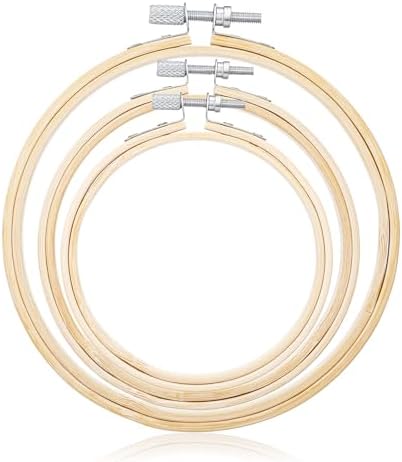


As an Amazon Associate, we earn from qualifying purchases.
Own the Complete Encyclopedia
The Encyclopedia of Needlework contains over 800 pages of stitches, patterns, and techniques.
Get your own hardcover reprint of this 1886 masterpiece.