From the Original Text
“Top or over-sewing stitch—This stitch is used for joining selvedges together. To keep the two pieces even, it is better, either to tack or pin them together first. Insert the needle, from right to left, under the first thread of the selvedge, and through both edges, and sew from right to left, setting your stitches not more than three threads apart. The thread must not be drawn too tightly, so that when the seam is finished and flattened with the thimble, the selvedges may lie, side by side.”
— Thérèse de Dillmont, Encyclopedia of Needlework, 1886
Modern Step-by-Step Instructions
The top or over-sewing stitch is a specialized technique for joining selvedges—the finished edges of woven fabric. This method creates a flat, strong seam that preserves the integrity of the selvedge while creating an almost invisible join.
What You’ll Need
- Fabric with selvedges — Woven fabrics with finished edges
- Matching thread — Fine thread in color matching the fabric
- Sharp needle — Fine needle to minimize holes
- Pins or basting thread — To align edges before stitching
- Thimble — For flattening the finished seam
- Small scissors — For trimming thread ends
How to Work the Top/Over-sewing Stitch
- Align selvedges precisely by pinning or tacking them together first.
- Insert needle from right to left under the first thread of the selvedge edge.
- Pass through both fabric edges in one motion, catching minimal fabric.
- Continue stitching right to left with stitches no more than three threads apart.
- Keep tension moderate—don’t pull thread too tightly.
- Flatten seam with thimble when complete so selvedges lie side by side.
- Remove basting if used, and press seam lightly.
Expert Tips for the Perfect Top/Over-sewing Stitch
- Only use this technique on true selvedges—manufactured finished edges
- Match thread color exactly to fabric for nearly invisible seams
- Keep stitches small and evenly spaced for professional appearance
- Don’t overtighten thread—seam should lay flat, not pucker
- Use thimble edge to flatten seam for crisp, professional finish
- Ideal for joining fabric panels in quilts and household linens
Traditional Uses
Over-sewing was essential for joining fabric panels efficiently:
- Bed linens — Joining narrow widths to create wide sheets
- Table linens — Creating large tablecloths from multiple panels
- Curtains — Joining fabric widths for wide window treatments
- Quilting — Piecing fabric panels before quilting
- Garment construction — Joining fabric pieces where seams are visible
- Household textiles — Towels, dishcloths, and other utility items
- Historical clothing — Period-accurate seam construction
Historical Note
Over-sewing selvedges was crucial before wide fabrics became readily available. Most household linens required joining 27-36 inch wide fabric panels to achieve the necessary width. This technique preserved the strength of the selvedge while creating flat, durable seams that wouldn’t create bulk under bodies in bed linens or be conspicuous in table settings. The method was so fundamental that it was one of only four basic stitches taught to young seamstresses, reflecting its essential role in Victorian domestic needlework.
Recommended Supplies
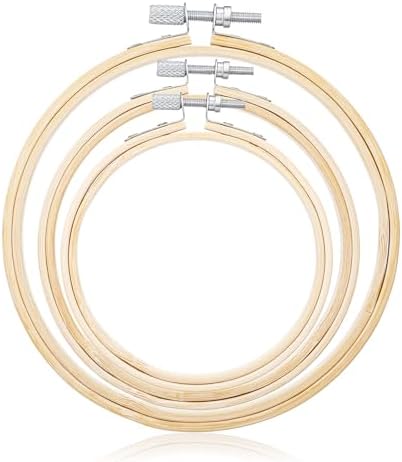


As an Amazon Associate, we earn from qualifying purchases.
Own the Complete Encyclopedia
The Encyclopedia of Needlework contains over 800 pages of stitches, patterns, and techniques.
Get your own hardcover reprint of this 1886 masterpiece.