From the Original Text
“Hemming-stitch—To make a good hem, your stuff must be cut in the line of the thread. Highly dressed stuffs, such as linen and calico, should be rubbed in the hand, to soften them, before the hem is laid. Your first turning should not be more than 2 m/m. wide; turn down the whole length of your hem, and then make the second turning of the same width, so that the raw edge is enclosed between two layers of stuff.”
— Thérèse de Dillmont, Encyclopedia of Needlework, 1886
Modern Step-by-Step Instructions
The hemming stitch is essential for finishing raw edges with a neat, durable fold. This fundamental technique creates the classic hem finish used on everything from handkerchiefs to household linens, requiring precision in measurement and careful attention to fabric grain.
What You’ll Need
- Fabric — Cut on the straight grain for best results
- Matching thread — Cotton thread that matches your fabric color
- Sharp needles — Fine needle to minimize holes in delicate fabrics
- Ruler and fabric scissors — For precise measurements and clean cuts
- Iron — Essential for pressing crisp, straight hems
- Pins or basting thread — For holding wide hems in place
How to Work the Hemming Stitch
- Cut fabric on grain—essential for hems that lay flat and straight.
- Soften stiff fabrics by rubbing between your hands before folding.
- Make first fold very narrow (about 1/8 inch) to enclose raw edge.
- Make second fold to desired hem width, enclosing first fold completely.
- Press or baste wide hems to hold folds in place.
- Start stitching with needle angled toward you, catching hem edge and main fabric.
- Space stitches evenly about 2-3 fabric threads apart in a straight line.
Expert Tips for the Perfect Hemming Stitch
- Always cut fabric on the straight grain—hems on bias will never lay properly
- Keep first fold very narrow to minimize bulk in the hem
- For invisible hems, catch only 1-2 threads of the main fabric with each stitch
- Press each fold sharply before stitching for professional results
- Baste wide hems before stitching to prevent shifting
- Work from right to left (for right-handed sewers) for better control
- Use thread one shade darker than fabric—it becomes less visible when stitched
Traditional Uses
Hemming stitch was fundamental for finishing edges on all household and personal textiles:
- Household linens — Bed sheets, pillowcases, and towels
- Table linens — Tablecloths, napkins, and runners
- Handkerchiefs — Both everyday and fine varieties
- Garment hems — Skirts, dresses, and shirt tails
- Curtains and drapery — Window treatments and bed hangings
- Undergarments — Chemises, drawers, and petticoats
- Children’s clothing — Growing hems that could be let down
- Aprons and work clothing — Practical everyday garments
Historical Note
The hemming stitch was one of the first needlework skills taught to young girls, as proper hem finishing was essential for respectability in the Victorian era. Raw, unfinished edges were considered a sign of poor housekeeping and low social status. The technique varied slightly by region and social class—wealthy households often employed specialized hem-stitching, while working families used simpler versions. De Dillmont’s instructions emphasize precision and proper preparation, reflecting the era’s high standards for domestic needlework. The technique remains virtually unchanged today, testament to its fundamental practicality.
Recommended Supplies
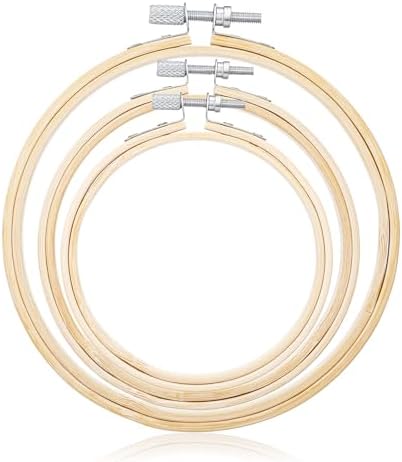


As an Amazon Associate, we earn from qualifying purchases.
Own the Complete Encyclopedia
The Encyclopedia of Needlework contains over 800 pages of stitches, patterns, and techniques.
Get your own hardcover reprint of this 1886 masterpiece.