From the Original Text
“Button-hole stitch. This is simply blanket stitch worked very closely together. The stitches should be perfectly even and the looped edge must lie quite straight. Button-hole stitch is used not only for making button-holes, but also for scalloped edges and cut-work where a firm, reinforced edge is required.”
— Thérèse de Dillmont, Encyclopedia of Needlework, 1886
Modern Step-by-Step Instructions
Button-hole stitch creates a dense, reinforced edge that prevents fabric from fraying while providing structural strength. This essential technique forms the foundation for functional buttonholes and decorative cut-work where durability is crucial.
What You’ll Need
- Fabric to finish — Any weight, though technique varies by fabric type
- Strong thread — Thread appropriate for fabric weight and purpose
- Sharp needle — Size suited to thread and fabric combination
- Embroidery scissors — For precise cutting and trimming
- Marking tools — For laying out buttonhole placement
- Steady hands — Consistent spacing requires careful control
- Good lighting — Essential for maintaining even stitch formation
How to Work the Button-hole Stitch
- Mark your line carefully—buttonholes require precise placement.
- Cut opening (for functional buttonholes) or mark edge line.
- Start at left edge and work systematically toward the right.
- Insert needle from front to back at consistent distance from edge.
- Loop working thread under needle before pulling through.
- Pull through snugly to form characteristic looped edge.
- Work stitches closely—they should touch or slightly overlap for strength.
- Maintain even depth and consistent spacing throughout.
Expert Tips for the Perfect Button-hole Stitch
- Keep stitches very close together—gaps will weaken the finished edge
- Maintain consistent stitch depth for professional appearance
- The looped edge should form a straight, even line along the cut edge
- Use thread that matches your fabric for functional work, contrasting for decoration
- Work slowly and methodically—buttonhole stitch cannot be rushed
- Practice on scraps first to develop rhythm and muscle memory
- For functional buttonholes, reinforce stress points at each end
- Keep consistent tension—too tight will pucker, too loose won’t strengthen
Traditional Uses
Button-hole stitch has served essential functional and decorative purposes:
- Functional buttonholes — Creating openings that withstand repeated use
- Cut-work embroidery — Reinforcing raw edges in decorative openwork
- Scalloped edges — Creating decorative curved edges on linens
- Appliqué work — Securing applied fabric pieces firmly
- Eyelet holes — Reinforcing small openings for lacing and decoration
- Raw edge finishing — Preventing fraying on any cut fabric edge
- Darning reinforcement — Strengthening worn areas in fabric
Historical Note
Button-hole stitch represented the marriage of function and beauty in Victorian needlework. De Dillmont’s description of it as “simply blanket stitch worked very closely together” captured both its relationship to decorative stitching and its practical purpose. The technique’s development paralleled the rise of fitted clothing, where functional buttonholes became essential for proper garment closure. The stitch’s strength and durability made it indispensable for household linens and work clothing, while its neat appearance suited it for decorative applications. Mastery of buttonhole stitch marked the transition from basic needleworker to competent seamstress.
Recommended Supplies
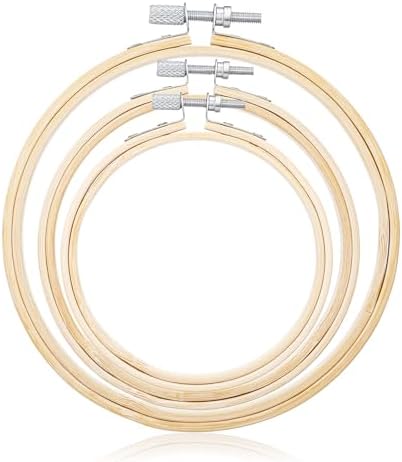


As an Amazon Associate, we earn from qualifying purchases.
Own the Complete Encyclopedia
The Encyclopedia of Needlework contains over 800 pages of stitches, patterns, and techniques.
Get your own hardcover reprint of this 1886 masterpiece.