From the Original Text
“Post stitch. Wind the thread several times round the needle, insert the needle into the same hole it came out of, and draw it through the coils. The thread is thus formed into a sort of post or pillar on the surface of the stuff.”
— Thérèse de Dillmont, Encyclopedia of Needlework, 1886
Modern Step-by-Step Instructions
Post stitch creates dramatic raised elements that stand up from the fabric surface like tiny pillars. This advanced technique produces strong dimensional effects perfect for creating texture, emphasizing centers, or adding sculptural quality to embroidery work.
What You’ll Need
- Firm embroidery fabric — Tightly woven fabric that can support raised stitches
- Embroidery floss — 3-6 strands for substantial posts
- Sharp needle — Size 7-8 crewel needle with good point
- Embroidery hoop — Essential for maintaining proper fabric tension
- Advanced skills — Requires experience with tension control
- Good lighting — Important for managing multiple thread wraps
- Patience — This is slow, meticulous work requiring precision
How to Work the Post Stitch
- Bring thread up through fabric at desired post location.
- Wind thread around needle 6-10 times, keeping wraps even and snug.
- Hold wraps steady with your non-dominant hand.
- Insert needle back through the exact same hole where thread emerged.
- Keep wraps in place as you begin to pull needle through.
- Pull slowly and steadily until coils form a raised post on surface.
- Secure on back with small stitches to prevent post from loosening.
Expert Tips for the Perfect Post Stitch
- Use more wraps (8-12) for taller posts, fewer (4-6) for subtle raised effects
- Keep wraps snug but not tight—they should slide smoothly off the needle
- Pull through slowly to prevent wraps from tangling or bunching
- Use heavier thread weight for more substantial, prominent posts
- Secure firmly on the back—posts can work loose with handling
- Practice tension control—too tight creates lumpy posts, too loose creates floppy ones
- This technique requires significant practice to master consistently
- Consider using contrasting colors for maximum dimensional impact
Traditional Uses
Post stitch was reserved for special applications requiring dramatic dimensional effects:
- Flower stamens — Creating realistic botanical details
- Architectural elements — Representing columns, posts, and structural details
- Textural accents — Adding sculptural quality to flat designs
- Religious embroidery — Creating halos, rays of light, and sacred symbols
- Ceremonial pieces — High-status items requiring exceptional craftsmanship
- Exhibition work — Demonstrating advanced needlework skills
- Sampler techniques — Teaching complex dimensional methods
Historical Note
Post stitch represented the Victorian era’s fascination with dimensional embroidery that challenged the traditional flatness of needlework. De Dillmont’s description of creating “a sort of post or pillar on the surface” captured the technique’s architectural quality—it literally built structures on fabric. This advanced technique required considerable skill in tension control and thread management, marking it as work for accomplished needleworkers. The dramatic three-dimensional effect reflected the period’s love of elaborate decoration and technical virtuosity, where embroidery competed with sculpture in creating textural interest and visual impact.
Recommended Supplies
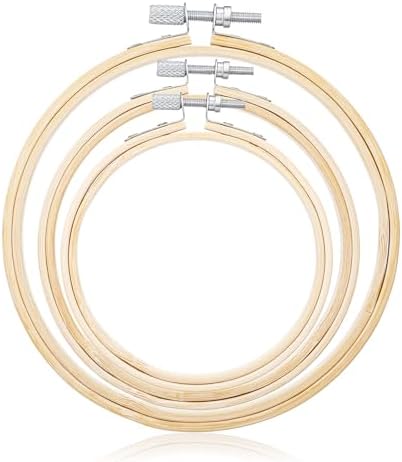


As an Amazon Associate, we earn from qualifying purchases.
Own the Complete Encyclopedia
The Encyclopedia of Needlework contains over 800 pages of stitches, patterns, and techniques.
Get your own hardcover reprint of this 1886 masterpiece.