From the Original Text
“Crossed back-stitch. This stitch is composed of simple back-stitches, crossed by a second thread. The back-stitches should be rather long, the distance between them being the half of a stitch. Draw the second thread backwards and forwards alternately under and over the back-stitches.”
— Thérèse de Dillmont, Encyclopedia of Needlework, 1886
Modern Step-by-Step Instructions
Crossed back-stitch creates an attractive braided effect by combining foundation back-stitches with a contrasting thread woven through them. This technique produces decorative lines with rich texture and visual interest, perfect for borders and ornamental elements.
What You’ll Need
- Embroidery fabric — Medium-weave cotton or linen
- Two contrasting threads — Different colors or weights for visual impact
- Embroidery needle — Size 7-9 for foundation, blunt tapestry needle for weaving
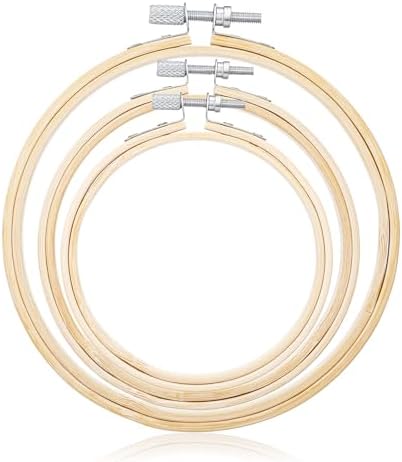
- Embroidery hoop — Essential for maintaining fabric tension
- Ruler or guide — For marking evenly spaced foundation stitches
- Good lighting — Important for accurate thread placement
How to Work the Crossed Back-stitch
- Create foundation with longer back-stitches, spacing them half a stitch length apart.
- Secure foundation thread and trim or carry to back.
- Thread contrasting thread on a blunt tapestry needle.
- Start at one end and weave thread under first back-stitch without catching fabric.
- Continue weaving alternately under and over each back-stitch.
- Work systematically along the entire line without pulling too tight.
- Secure weaving thread at the end by taking to back of fabric.
Expert Tips for the Perfect Crossed Back-stitch
- Use contrasting colors or different thread weights for maximum visual impact
- Keep foundation back-stitches longer than normal for easier weaving
- Use a blunt tapestry needle for the crossing thread to avoid splitting foundation stitches
- Don’t pull the crossing thread too tight—it should lie smoothly over the foundation
- Consider using metallic thread for the crossing element for formal decoration
- Practice the weaving motion to develop smooth, consistent rhythm
- Work foundation stitches first, then complete entire line with crossing thread
Traditional Uses
Crossed back-stitch was particularly valued for creating rich, decorative linear elements:
- Ornamental borders — Decorative edges on linens and garments
- Trim work — Elegant finishing details on clothing
- Decorative bands — Separating elements in complex designs
- Monogram embellishments — Adding richness to letter forms
- Religious vestments — Formal ecclesiastical embroidery
- Ceremonial textiles — Items requiring special decorative treatment
- Sampler work — Teaching thread manipulation techniques
Historical Note
Crossed back-stitch exemplified Victorian needlework’s love of elaborate detail and rich texture. The technique’s two-stage process—first establishing foundation stitches, then weaving a contrasting thread through them—demonstrated the era’s patience for complex, time-intensive decoration. De Dillmont’s specific instruction about spacing (“the distance between them being the half of a stitch”) showed the precision required for professional results. This technique represented the period’s fascination with braided and interwoven effects, echoing the elaborate trims and ornamentations popular in Victorian fashion and interior decoration.
Recommended Supplies


As an Amazon Associate, we earn from qualifying purchases.
Own the Complete Encyclopedia
The Encyclopedia of Needlework contains over 800 pages of stitches, patterns, and techniques.
Get your own hardcover reprint of this 1886 masterpiece.