From the Original Text
“Wide Gobelin stitch extends the basic Gobelin technique by working over a greater number of canvas threads, creating broader vertical bands that cover canvas more quickly while maintaining the characteristic smooth, tapestry-like appearance. This variation proves especially useful for large background areas.”
— Thérèse de Dillmont, Encyclopedia of Needlework, 1886
Modern Step-by-Step Instructions
Wide Gobelin stitch accelerates canvas coverage by working longer vertical stitches that span 4-6 canvas threads instead of the standard 2-3. This technique maintains the smooth, woven appearance of traditional Gobelin stitch while providing faster progress on large areas. The extended stitch length creates bold vertical texture that works particularly well for backgrounds and geometric designs.
What You’ll Need
- Canvas — Sturdy canvas that can support longer stitches without distortion
- Tapestry wool — Sufficient weight to cover longer stitches completely
- Large tapestry needles — Size appropriate for heavier thread coverage
- Sturdy canvas frame — Essential for maintaining shape with longer stitches
- Pattern guide — Design showing areas suitable for wide stitch coverage
- Good lighting — For accurate stitch placement across longer spans
How to Work the Wide Gobelin Stitch
- Secure canvas firmly in frame to prevent distortion from longer stitches.
- Bring needle up at the bottom of the first wide stitch position.
- Insert needle down 4-6 canvas threads directly above the starting point.
- Maintain consistent stitch height throughout the work area.
- Work systematically in vertical columns for even coverage.
- Use adequate thread to ensure complete coverage of longer stitches.
- Keep tension even to prevent puckering with extended stitches.
- Secure ends carefully to support the longer stitch structure.
Expert Tips for the Perfect Wide Gobelin Stitch
- Use a sturdy frame—longer stitches create more pull on the canvas
- Ensure complete thread coverage to prevent canvas from showing through
- Plan stitch height carefully—too long creates loose, vulnerable stitches
- Work with heavier thread weight to achieve proper coverage
- Consider the durability needs when choosing this technique
- Use shorter working thread lengths to prevent excessive wear
- Plan color transitions carefully for smooth visual flow
- Block carefully to maintain proper stitch alignment
Traditional Uses
Wide Gobelin stitch served specific purposes where speed and bold effect were priorities:
- Background areas — Large spaces requiring rapid, economical coverage
- Geometric designs — Bold patterns emphasizing vertical movement
- Decorative borders — Wide bands creating strong visual boundaries
- Sky areas — Landscape backgrounds with smooth color gradations
- Water effects — Vertical reflections and flowing water representations
- Architectural elements — Building facades and structural details
- Utilitarian pieces — Items requiring durability over fine detail
Historical Note
Wide Gobelin stitch emerged as a practical adaptation when needleworkers needed to cover large areas efficiently while maintaining the prestigious tapestry-like appearance of regular Gobelin work. The technique reflected the Victorian emphasis on both economy and visual impact—achieving maximum decorative effect with minimum time investment. This variation proved particularly valuable for domestic furnishings where durability and quick completion were priorities. De Dillmont’s inclusion of this technique acknowledged that needlework must sometimes serve practical needs without sacrificing aesthetic goals. The wide version demonstrated how traditional techniques could be adapted to meet changing lifestyle demands while preserving their essential character and quality.
Recommended Supplies
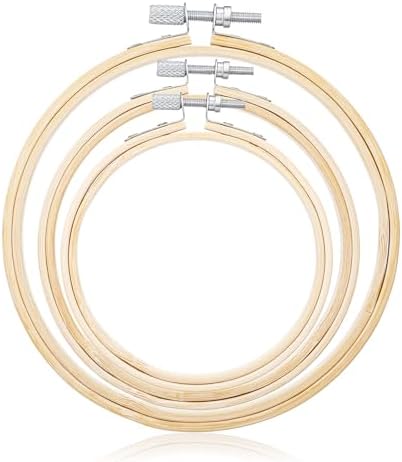


As an Amazon Associate, we earn from qualifying purchases.
Own the Complete Encyclopedia
The Encyclopedia of Needlework contains over 800 pages of stitches, patterns, and techniques.
Get your own hardcover reprint of this 1886 masterpiece.