From the Original Text
“Half cross-stitch consists of one slanting stitch worked consistently in the same direction across the canvas. While simpler than full cross-stitch, it requires careful attention to maintaining even tension and uniform slant to achieve a smooth, professional appearance.”
— Thérèse de Dillmont, Encyclopedia of Needlework, 1886
Modern Step-by-Step Instructions
Half cross stitch creates smooth, economical coverage perfect for large background areas and detailed pictorial work. Using only one diagonal stitch per canvas intersection, this technique consumes less thread than full cross stitch while creating an attractive textured surface. The key to success lies in maintaining consistent stitch direction and even tension throughout the work.
What You’ll Need
- Canvas — Mono canvas in appropriate gauge for the design
- Tapestry wool or thread — Thread weight suited to canvas gauge
- Tapestry needles — Blunt needles that won’t split canvas threads
- Canvas frame — Essential for maintaining proper canvas tension
- Good lighting — For accurate thread counting and color work
- Pattern chart — Design guide showing stitch placement and colors
How to Work the Half Cross Stitch
- Mount canvas securely in frame to prevent distortion during stitching.
- Choose consistent direction for all stitches (typically bottom-left to top-right).
- Bring needle up at the bottom of the first stitch.
- Insert needle down at the top-right of the same canvas intersection.
- Continue consistently in the same diagonal direction throughout.
- Maintain even tension so all stitches lie flat against the canvas.
- Work systematically row by row or area by area for efficiency.
- Secure thread ends by weaving through completed stitches on the back.
Expert Tips for the Perfect Half Cross Stitch
- Use a frame to prevent canvas distortion—half cross stitch can pull fabric off-grain
- Maintain consistent stitch angle throughout for uniform appearance
- Work in shorter thread lengths (12-15 inches) to prevent excessive wear
- Block finished work to ensure proper shape and dimensions
- Practice on scraps to establish consistent tension before starting main work
- Plan stitch direction to minimize thread crossing on the back
- Use quality thread appropriate to canvas gauge for best coverage
- Consider backing requirements if canvas shows through after stitching
Traditional Uses
Half cross stitch provided efficient coverage for utilitarian and decorative canvas work:
- Carpet work — Large floor coverings where thread economy was important
- Chair seats — Furniture upholstery requiring durable, smooth coverage
- Fire screens — Decorative panels combining beauty with practicality
- Bell pulls — Functional household items needing strong, smooth surfaces
- Picture work — Detailed designs where smooth color areas were desired
- Book covers — Protective covers requiring flat, smooth stitching
- Purses and bags — Accessories needing economical but attractive coverage
Historical Note
Half cross stitch emerged as a practical solution for large-scale canvas work where thread economy was essential but attractive results were still desired. The technique gained popularity during periods when expensive materials required careful use, particularly for household furnishings that needed to be both beautiful and economical. Victorian needleworkers appreciated half cross stitch for its efficiency in covering large background areas in pictorial work, allowing them to reserve more expensive full cross stitch for detailed foreground elements. De Dillmont’s documentation recognized this technique’s legitimate place in the needleworker’s repertoire, showing how practical considerations could be balanced with aesthetic goals to achieve successful results.
Recommended Supplies
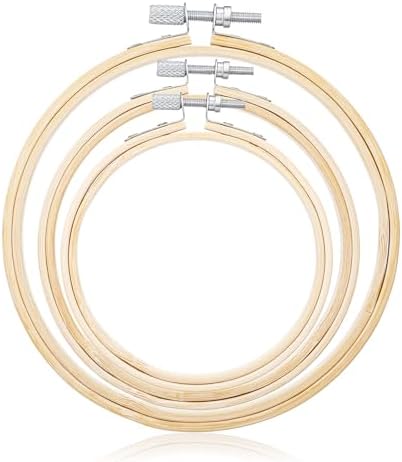


As an Amazon Associate, we earn from qualifying purchases.
Own the Complete Encyclopedia
The Encyclopedia of Needlework contains over 800 pages of stitches, patterns, and techniques.
Get your own hardcover reprint of this 1886 masterpiece.