From the Original Text
“Chinese embroidery demonstrates unparalleled mastery of silk threads, creating effects of extraordinary subtlety and refinement. The technique emphasizes naturalistic representation through careful color gradation and directional stitching that captures the essence of living forms with remarkable fidelity.”
— Thérèse de Dillmont, Encyclopedia of Needlework, 1886
Modern Step-by-Step Instructions
Chinese embroidery represents perhaps the world’s most refined silk needlework tradition, characterized by extraordinary technical precision, sophisticated color theory, and naturalistic representation that borders on the photographic. This ancient art form employs specialized techniques for creating smooth color gradations, realistic textures, and convincing dimensional effects using only silk threads on silk ground.
What You’ll Need
- Silk fabric — Fine silk ground appropriate for detailed work
- Silk threads — High-quality silk floss in extensive color range
- Fine needles — Size 10-12 for precise stitch placement
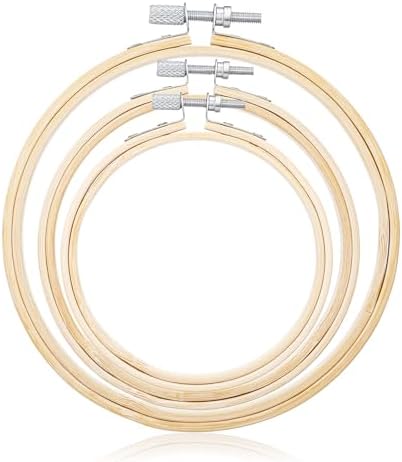
- Embroidery frame — To maintain perfect fabric tension
- Good lighting — Essential for judging subtle color relationships
- Magnification — For working extremely fine details accurately
How to Work the Chinese Embroidery
- Plan color gradations carefully before beginning any stitching.
- Work from light to dark in most naturalistic representations.
- Use directional stitching to suggest form, texture, and movement.
- Blend colors seamlessly through careful thread placement and tension.
- Vary stitch length to create textural effects appropriate to the subject.
- Layer colors transparently to achieve subtle intermediate tones.
- Pay attention to light source when planning shading and highlights.
- Finish with careful attention to overall tonal balance and harmony.
Expert Tips for the Perfect Chinese Embroidery
- Master color theory and silk thread behavior before attempting complex pieces
- Study traditional Chinese painting techniques for understanding of form and space
- Practice directional stitching extensively to achieve natural-looking textures
- Use the minimum number of thread strands needed for smooth coverage
- Work in excellent lighting to judge subtle color relationships accurately
- Plan the entire piece for overall tonal harmony before beginning detailed work
- Respect traditional Chinese aesthetic principles of balance and restraint
- Study museum pieces to understand authentic execution methods
Traditional Uses
Chinese embroidery adorned the most prestigious textiles of the imperial court and wealthy merchants:
- Imperial robes — Dragon robes and court dress with symbolic significance
- Religious textiles — Buddhist and Taoist ceremonial hangings
- Wedding garments — Bridal robes with auspicious symbolic motifs
- Screen panels — Decorative room dividers with artistic scenes
- Export goods — Commercial embroidery for international trade
- Scholar’s accessories — Refined textiles for the educated class
- Festival garments — Special occasion clothing for cultural celebrations
Historical Note
Chinese embroidery represents a continuous tradition spanning over 2,000 years, reaching artistic heights that astonished European observers when trade opened between East and West. The technique embodied Chinese philosophical principles of harmony, balance, and the faithful representation of natural beauty. During the Victorian era, Chinese embroidery profoundly influenced European needlework through imported goods and pattern books, introducing new concepts of naturalistic representation and color subtlety. De Dillmont’s documentation reflected the growing Western appreciation for Chinese artistic sophistication and technical mastery. The tradition demonstrated how needlework could transcend mere decoration to become high art, inspiring European embroiderers to pursue greater technical refinement and artistic ambition.
Recommended Supplies


As an Amazon Associate, we earn from qualifying purchases.
Own the Complete Encyclopedia
The Encyclopedia of Needlework contains over 800 pages of stitches, patterns, and techniques.
Get your own hardcover reprint of this 1886 masterpiece.