From the Original Text
“Turkish embroidery is characterized by its rich geometric patterns, bold use of metallic threads, and distinctive stitch techniques that create raised, textural effects. The style emphasizes symmetry and mathematical precision in its ornamental designs.”
— Thérèse de Dillmont, Encyclopedia of Needlework, 1886
Modern Step-by-Step Instructions
Turkish style embroidery represents the sophisticated textile traditions of the Ottoman Empire, characterized by geometric precision, rich color palettes, and the strategic use of metallic threads. This technique emphasizes pattern over pictorial representation, creating designs that are both mathematically precise and visually sumptuous. The style requires understanding of Islamic geometric principles and mastery of specialized stitching techniques.
What You’ll Need
- Silk or cotton fabric — Rich base fabric appropriate to Ottoman aesthetics
- Silk threads — High-quality colored silks in traditional Ottoman palette
- Metallic threads — Gold or silver threads for accent work
- Embroidery needles — Size 8-10 for silk work, larger for metallic threads
- Geometric patterns — Accurate templates for precise pattern placement
- Frame or hoop — To maintain fabric tension during detailed work
How to Work the Turkish Style Embroidery
- Transfer geometric patterns with mathematical precision to the fabric.
- Work outline elements first to establish the geometric framework.
- Fill pattern areas with appropriate stitches—often satin or brick stitch.
- Add metallic accents strategically for richness without overwhelming.
- Work directional stitches to create light-reflecting surface textures.
- Maintain symmetry throughout all pattern elements.
- Use color transitions that respect traditional Ottoman color relationships.
- Finish edges with appropriate decorative borders or fringes.
Expert Tips for the Perfect Turkish Style Embroidery
- Study Islamic geometric principles to understand authentic pattern construction
- Use traditional Ottoman color combinations for historical accuracy
- Master the directional stitching that creates characteristic surface textures
- Plan metallic thread placement for maximum visual impact
- Work with excellent lighting to maintain precision throughout
- Practice geometric accuracy on simple patterns before attempting complex designs
- Respect the mathematical relationships that make patterns harmonious
- Study museum pieces to understand traditional execution methods
Traditional Uses
Turkish style embroidery adorned the finest textiles of the Ottoman Empire:
- Court garments — Ceremonial robes and official dress
- Prayer rugs — Sacred textiles with geometric perfection
- Cushion covers — Decorative furnishings for palace interiors
- Towels and bath linens — Luxury textiles for hammam use
- Wedding trousseaus — Bridal textiles showcasing family wealth
- Guild banners — Professional organization displays
- Diplomatic gifts — Presentation pieces for international relations
Historical Note
Turkish style embroidery represented the pinnacle of Ottoman decorative arts, reflecting the empire’s position at the crossroads of Europe, Asia, and Africa. The geometric patterns followed Islamic artistic principles that avoided figurative representation while achieving extraordinary visual complexity through mathematical relationships. The technique demonstrated the Ottoman mastery of luxury materials—fine silks and precious metal threads that proclaimed the empire’s wealth and sophistication. During the Victorian era, Turkish embroidery influenced European fashion and interior decoration, introducing exotic geometric patterns and rich color combinations. De Dillmont’s inclusion of this technique reflected the 19th-century fascination with “Oriental” arts and the growing appreciation for non-European aesthetic traditions.
Recommended Supplies
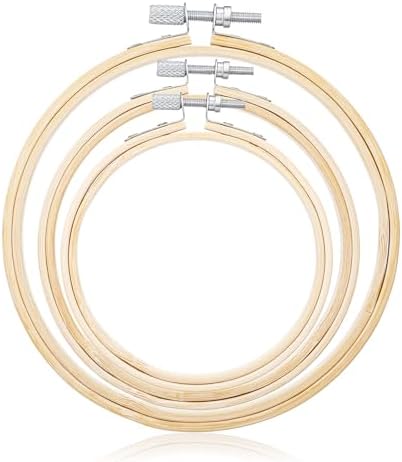


As an Amazon Associate, we earn from qualifying purchases.
Own the Complete Encyclopedia
The Encyclopedia of Needlework contains over 800 pages of stitches, patterns, and techniques.
Get your own hardcover reprint of this 1886 masterpiece.