From the Original Text
“Madeira work combines the raised eyelets of English broderie anglaise with selective cutwork elements, creating openwork embroidery that balances delicacy with structural strength. The technique achieves remarkable effects through careful gradation from solid embroidery to open cutwork.”
— Thérèse de Dillmont, Encyclopedia of Needlework, 1886
Modern Step-by-Step Instructions
Madeira work represents a sophisticated fusion of eyelet embroidery and selective cutwork, creating openwork designs of exceptional beauty and durability. This technique combines raised, padded eyelets with areas of complete fabric removal, achieving stunning contrasts between solid and void. The style requires careful planning to balance decorative impact with structural integrity throughout the design.
What You’ll Need
- Fine cotton or linen fabric — High quality base for detailed work
- Cotton embroidery thread — Various weights for different effects
- Sharp pointed scissors — Essential for precise cutting and trimming
- Stiletto or awl — For piercing eyelet holes cleanly
- Fine needles — Size 8-11 for different thread weights
- Embroidery hoop — To maintain proper fabric tension
How to Work the Madeira Work
- Plan the design carefully with attention to the balance of solid and open areas.
- Work raised eyelets first using padding and close buttonhole stitching.
- Complete all surface embroidery elements before beginning cutwork.
- Outline cutwork areas with close buttonhole stitching for clean edges.
- Add connecting bars where needed for structural support.
- Cut away designated fabric areas carefully with sharp scissors.
- Finish all raw edges and check for security.
- Press gently to maintain the dimensional quality of the raised elements.
Expert Tips for the Perfect Madeira Work
- Master raised eyelet techniques before attempting full Madeira work
- Plan the balance between solid and open areas for maximum visual impact
- Use padding threads strategically to create dimension in raised areas
- Work in excellent light to maintain consistent quality throughout
- Practice the transition from solid to cutwork areas on samples
- Cut fabric only after all connecting elements are secure
- Study authentic Madeira pieces to understand traditional proportions
- Allow generous time for the level of precision this work requires
Traditional Uses
Madeira work adorned luxury textiles throughout the Portuguese empire and beyond:
- Table linens — Formal dining pieces for special occasions
- Bed linens — Luxury bedroom textiles with tropical elegance
- Personal accessories — Handkerchiefs and collars for the fashionable
- Infant wear — Christening gowns and special occasion clothing
- Undergarments — Fine lingerie with delicate openwork decoration
- Religious textiles — Church linens combining beauty with durability
- Export goods — Commercial products showcasing Portuguese craftsmanship
Historical Note
Madeira work emerged in the Portuguese island of Madeira as a unique synthesis of European embroidery traditions brought by religious orders and traders. The technique developed its distinctive character through the island’s position as a stopover for ships traveling between Europe, Africa, and the Americas. Local embroiderers absorbed influences from multiple continents, creating a style that was both internationally appealing and distinctively Portuguese. The work became famous throughout the Victorian world as a luxury product that combined exotic origins with European sophistication. De Dillmont’s documentation helped spread this technique beyond its Portuguese origins, making it part of the international vocabulary of fine needlework.
Recommended Supplies
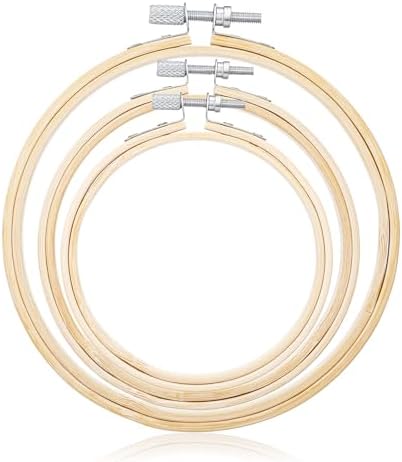


As an Amazon Associate, we earn from qualifying purchases.
Own the Complete Encyclopedia
The Encyclopedia of Needlework contains over 800 pages of stitches, patterns, and techniques.
Get your own hardcover reprint of this 1886 masterpiece.