From the Original Text
“Richelieu embroidery is distinguished by its characteristic picot-edged bars and refined French aesthetic. Named for the cardinal, this technique combines the structural strength of cutwork with decorative elements that add both beauty and textural interest to the connecting elements.”
— Thérèse de Dillmont, Encyclopedia of Needlework, 1886
Modern Step-by-Step Instructions
Richelieu embroidery represents the French refinement of Italian cutwork traditions, characterized by its signature picot-decorated bars and elegant proportions. This technique balances structural necessity with decorative beauty, creating cutwork that is both strong and visually sophisticated. The distinctive picot edges add textural interest while serving the practical purpose of strengthening the connecting elements.
What You’ll Need
- Quality linen fabric — Medium weight for stability and refinement
- Linen or cotton thread — Strong thread suitable for structural work
- Sharp embroidery scissors — For clean cutting of open areas
- Fine needles — Size 9-11 for precise picot formation
- Design pattern — Accurate template for proper proportions
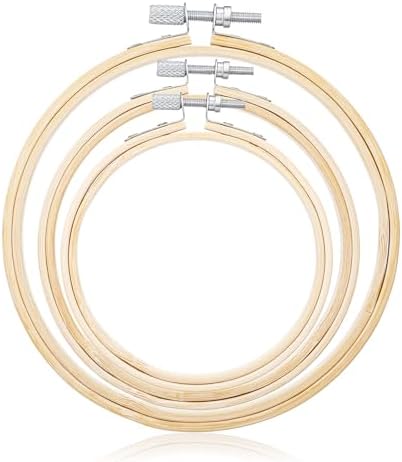
- Embroidery frame — To maintain fabric tension during complex work
How to Work the Richelieu Embroidery
- Transfer the design accurately with attention to bar placement.
- Outline all solid areas with close buttonhole stitching.
- Create connecting bars where indicated in the pattern.
- Add picots along bars at regular intervals for decorative effect.
- Work additional wheels or decorative elements as needed.
- Secure all connecting elements before beginning to cut.
- Cut away background fabric carefully between design elements.
- Review and finish any edges that need additional reinforcement.
Expert Tips for the Perfect Richelieu Embroidery
- Master picot formation on practice samples before starting the main piece
- Plan picot placement for visual balance across all connecting bars
- Use consistent thread tension to maintain uniform bar appearance
- Work methodically to avoid missing any structural connections
- Check the strength of all bars before cutting fabric away
- Study authentic French examples to understand the classical proportions
- Practice the complete technique on small samples first
- Allow ample time—rushing compromises both beauty and structural integrity
Traditional Uses
Richelieu embroidery adorned the finest French textiles of the 17th-19th centuries:
- Court ceremonial linens — Table settings for royal occasions
- Ecclesiastical vestments — Church garments requiring refined decoration
- Aristocratic bed linens — Luxury bedroom textiles for the nobility
- Formal presentation pieces — Gifts worthy of diplomatic occasions
- Convent work — Sacred textiles created in religious communities
- Wedding trousseau items — Bridal linens of exceptional quality
- Portrait costume details — Garment elements for formal portraiture
Historical Note
Richelieu embroidery emerged during the reign of Cardinal Richelieu, reflecting the French aesthetic preference for refined elegance over Italian grandeur. The technique represented the French talent for taking foreign innovations and perfecting them through attention to proportion and detail. The signature picots were both decorative and practical—they strengthened the connecting bars while adding the textural interest that French craftspeople particularly valued. This embroidery style embodied the French court’s sophisticated taste, where technical mastery was expected but flashy display was considered vulgar. De Dillmont’s careful documentation of this technique preserved not just the mechanics but the aesthetic philosophy behind one of France’s most refined needlework traditions.
Recommended Supplies


As an Amazon Associate, we earn from qualifying purchases.
Own the Complete Encyclopedia
The Encyclopedia of Needlework contains over 800 pages of stitches, patterns, and techniques.
Get your own hardcover reprint of this 1886 masterpiece.