From the Original Text
“Renaissance embroidery employs more delicate patterns than Venetian work, with finer connecting bars and more graceful curves. The technique emphasizes refinement over boldness, creating openwork designs that appear to float above the base fabric with ethereal lightness.”
— Thérèse de Dillmont, Encyclopedia of Needlework, 1886
Modern Step-by-Step Instructions
Renaissance embroidery represents a refined evolution of cutwork technique, emphasizing graceful patterns and delicate execution over the bold architectural effects of Venetian work. This style features flowing curves, intricate connecting bars, and carefully balanced open and solid areas that create an impression of floating lacework. The technique demands precision and artistic sensitivity to achieve its characteristic elegance.
What You’ll Need
- Fine linen fabric — High-quality, even-weave for delicate work
- Fine linen thread — Delicate but strong thread for refined stitching
- Sharp pointed scissors — For precise cutting of intricate patterns
- Fine needles — Size 10-12 for detailed buttonhole work
- Accurate pattern — Essential for achieving proper proportions
- Good magnification — For working fine details accurately
How to Work the Renaissance Embroidery
- Transfer delicate patterns with utmost accuracy to the fabric.
- Work fine buttonhole edging around all areas to be cut.
- Create connecting bars with appropriate delicacy for the design scale.
- Add decorative elements such as wheels and picots strategically.
- Maintain consistent quality throughout all connecting elements.
- Cut background fabric very carefully to preserve delicate edges.
- Check all connections for security before final cutting.
- Finish with gentle pressing to maintain the work’s delicate character.
Expert Tips for the Perfect Renaissance Embroidery
- Scale all elements appropriately—Renaissance work succeeds through proportion
- Work with excellent lighting and use magnification when needed
- Practice connecting elements on scraps before starting the main piece
- Plan the sequence carefully to avoid working yourself into corners
- Use consistent thread tension for uniform appearance
- Keep patterns flowing and graceful rather than rigid
- Allow adequate time for the level of precision required
- Study historical examples to understand the style’s aesthetic principles
Traditional Uses
Renaissance embroidery graced the finest textiles of court and church:
- Ecclesiastical vestments — Sacred garments requiring refined beauty
- Court dress details — Elegant decoration for formal attire
- Bridal accessories — Wedding veils and trousseau pieces
- Formal table linens — Dining pieces for state occasions
- Personal accessories — Handkerchiefs and collars for the nobility
- Book covers — Protective and decorative covers for precious volumes
- Portrait clothing — Garment details for formal portraiture
Historical Note
Renaissance embroidery emerged as courts across Europe sought to refine the bold Venetian styles into something more suited to the emerging aesthetic of grace and proportion. This technique represented the humanist ideals of the Renaissance—the pursuit of perfect beauty through mathematical harmony and artistic sensitivity. Unlike the architectural boldness of Venetian work, Renaissance embroidery emphasized flowing, organic patterns that seemed to grow naturally from the fabric. The style required not only technical mastery but also refined artistic judgment, as the smallest error in proportion could destroy the overall effect. De Dillmont’s preservation of this technique reflected the Victorian appreciation for historical refinement and artistic subtlety.
Recommended Supplies
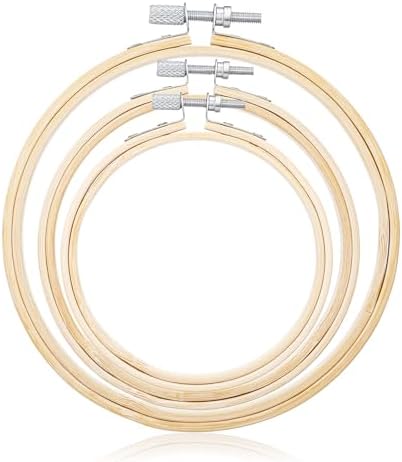


As an Amazon Associate, we earn from qualifying purchases.
Own the Complete Encyclopedia
The Encyclopedia of Needlework contains over 800 pages of stitches, patterns, and techniques.
Get your own hardcover reprint of this 1886 masterpiece.