From the Original Text
“Button-holed shaded eyelet holes are worked by varying the depth and density of the buttonhole stitches around the circumference, creating the appearance of light and shadow. The graduated effect gives dimension to the flat surface, making each eyelet appear raised and sculptural.”
— Thérèse de Dillmont, Encyclopedia of Needlework, 1886
Modern Step-by-Step Instructions
Button-holed shaded eyelet holes represent the sophisticated end of eyelet embroidery, using varied stitch depth and density to create dramatic three-dimensional effects. By graduating the buttonhole stitches from thick to thin around the circumference, each eyelet appears to cast its own shadow, creating the illusion of raised sculptural elements on a flat surface. This technique requires careful planning and consistent execution.
What You’ll Need
- Embroidery floss or cotton — Multiple strands for graduated effects
- Sharp stiletto or awl — For clean hole piercing
- Fine embroidery needle — Size 8-10 for smooth buttonhole stitches
- Embroidery hoop — Essential for maintaining proper tension
- Light source — For consistent shading direction across the piece
- Template — For uniform eyelet sizes and shading placement
How to Work the Button-holed Shaded Eyelet Holes
- Plan your light source direction for consistent shading across all eyelets.
- Pierce clean holes with stiletto for smooth edges.
- Begin on the “light” side with single strand, closely spaced buttonhole stitches.
- Gradually increase thread to 2-3 strands as you move toward the “shadow” side.
- Work denser stitches on the shadow side for maximum depth effect.
- Create smooth gradation by adjusting both thread weight and stitch spacing.
- Maintain buttonhole structure while varying density and bulk.
- Complete each eyelet before moving to the next for consistency.
Expert Tips for the Perfect Button-holed Shaded Eyelet Holes
- Establish a consistent light source direction and stick to it throughout the piece
- Practice the gradation technique on scraps until the transition is smooth
- Use a methodical approach—always start light and build to dark
- Keep the buttonhole structure consistent even as you vary the bulk
- Work in excellent light to judge the shading effects accurately
- Plan the entire piece first to ensure coherent overall lighting
- Use quality embroidery floss that separates cleanly for smooth gradations
- Complete all eyelets before assessing the overall shading effect
Traditional Uses
Button-holed shaded eyelet holes created sophisticated effects in high-quality embroidery:
- Madeira work — Premium openwork technique for luxury linens
- Ecclesiastical embroidery — Sacred textiles requiring dimensional beauty
- Exhibition pieces — Demonstrating advanced technical mastery
- Wedding trousseau — Special occasion linens with dramatic effects
- Presentation gifts — Items requiring extraordinary finishing
- Portrait embroidery — Adding dimensional elements to figurative work
- Architectural motifs — Creating shadow effects in building representations
Historical Note
Button-holed shaded eyelet holes reflected the Victorian fascination with optical effects and the scientific study of light and shadow. This technique demonstrated how needleworkers adapted principles from fine arts—chiaroscuro and dimensional modeling—to textile arts. The graduated shading required not only technical skill but also artistic understanding of how light behaves on three-dimensional forms. Such sophisticated effects elevated embroidery from mere decoration to sculptural art. De Dillmont’s inclusion of this advanced technique showed how Victorian needlework pushed technical boundaries, creating effects that rivaled those achieved by painters and sculptors, but using only thread and fabric.
Recommended Supplies
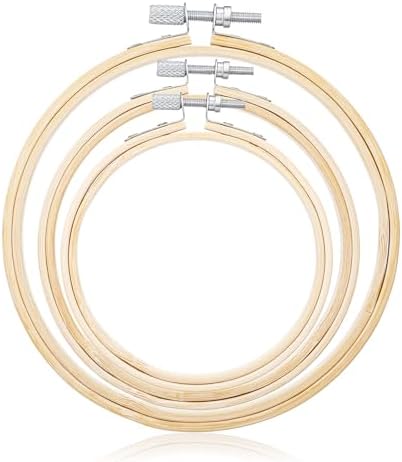


As an Amazon Associate, we earn from qualifying purchases.
Own the Complete Encyclopedia
The Encyclopedia of Needlework contains over 800 pages of stitches, patterns, and techniques.
Get your own hardcover reprint of this 1886 masterpiece.