From the Original Text
“Button-hole bars are threads laid across open spaces in cut-work to connect separate parts of the design. Several threads are laid across the space, then completely covered with close button-hole stitches. These bars must be strong enough to support the fabric structure while maintaining the decorative openwork effect.”
— Thérèse de Dillmont, Encyclopedia of Needlework, 1886
Modern Step-by-Step Instructions
Button-hole bars create structural bridges across open spaces in cut-work, connecting design elements while maintaining the airy openwork effect. These reinforced connecting threads are essential for complex cut-work designs that require both strength and beauty.
What You’ll Need
- Cut-work foundation — Design with areas to be connected by bars
- Strong thread — Thread that matches the working thread of the piece
- Sharp needle — Size appropriate for thread weight
- Embroidery scissors — For precise cutting and trimming
- Advanced skills — Requires experience with cut-work techniques
- Design planning — Must understand structural needs of the piece
- Steady hands — Bars must be straight and evenly covered
How to Work the Button-hole Bars
- Plan bar placement carefully before cutting any fabric areas.
- Lay foundation threads across the space where bar will span.
- Secure one end firmly in the solid fabric edge.
- Stretch threads tautly across to the opposite connection point.
- Anchor opposite end securely in solid fabric.
- Cover with buttonhole stitch working over all foundation threads.
- Work closely and evenly to completely cover foundation threads.
- End securely by anchoring working thread in solid fabric.
Expert Tips for the Perfect Button-hole Bars
- Use multiple foundation threads for strength—typically 3-4 threads for most bars
- Keep foundation threads parallel and under even tension
- Work buttonhole stitches closely to completely hide foundation threads
- Bars must be perfectly straight—any sagging will weaken the design
- Plan bar placement to support the structural integrity of the cut-work
- Use the same thread throughout the piece for consistency
- Practice on samples before attempting bars in finished work
- Consider decorative variations—picots or loops can be added to bars
Traditional Uses
Button-hole bars were essential structural elements in fine needlework:
- Richelieu embroidery — Connecting elements in elaborate cut-work
- Renaissance lace — Creating bridges between lace motifs
- Madeira work — Structural elements in Portuguese cut-work
- Venetian point lace — Connecting raised elements in needle lace
- Altar cloth decoration — High-quality ecclesiastical needlework
- Wedding linens — Special occasion items requiring exceptional work
- Exhibition pieces — Demonstrating advanced technical skills
Historical Note
Button-hole bars represented the sophisticated engineering required in advanced cut-work embroidery. These structural elements solved the challenge of maintaining design integrity while removing large areas of fabric. The technique required both artistic vision—knowing where bars were needed—and technical skill in executing them invisibly and strongly. De Dillmont’s emphasis on bars being “strong enough to support the fabric structure” reflected the Victorian understanding that beauty and function were inseparable in fine needlework. The mastery of button-hole bars marked the difference between amateur and professional-level cut-work expertise.
Recommended Supplies
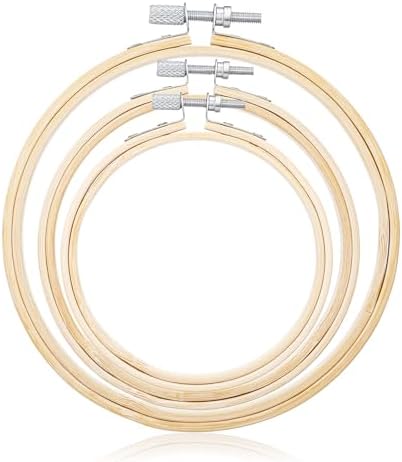


As an Amazon Associate, we earn from qualifying purchases.
Own the Complete Encyclopedia
The Encyclopedia of Needlework contains over 800 pages of stitches, patterns, and techniques.
Get your own hardcover reprint of this 1886 masterpiece.