From the Original Text
“Simple knot stitch. Bring the thread out, hold it down with the left thumb, twist the needle once round it, and insert it again close to the spot where it came out. This forms an isolated knot upon the surface of the stuff.”
— Thérèse de Dillmont, Encyclopedia of Needlework, 1886
Modern Step-by-Step Instructions
The simple knot stitch creates small, textured dots that add dimensional interest to embroidery work. Related to the French knot but with a single twist, it produces smaller, neater knots perfect for fine detail work and delicate textures.
What You’ll Need
- Embroidery fabric — Medium-weave cotton or linen recommended
- Embroidery floss — 1-3 strands depending on desired knot size
- Embroidery needle — Size 7-9 crewel needle
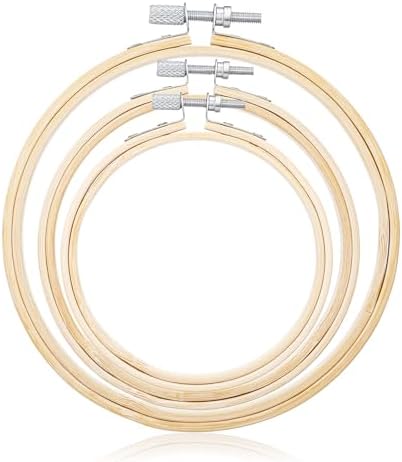
- Embroidery hoop — Essential for maintaining fabric tension
- Good lighting — Important for seeing small details clearly
- Steady hands — Technique requires controlled, precise movements
How to Work the Simple Knot Stitch
- Bring thread up through fabric at desired knot location.
- Hold thread taut with your non-dominant thumb about 2 inches from fabric.
- Twist needle once around the held thread, creating a small loop.
- Keep twist snug but not tight around the needle shaft.
- Insert needle very close to (but not in) the original exit point.
- Hold twist in place while pulling needle and thread through to back.
- Pull gently but firmly until knot settles neatly on fabric surface.
Expert Tips for the Perfect Simple Knot Stitch
- Use fewer thread strands than French knots for more delicate, refined results
- The single twist creates a smaller, neater knot than the traditional French knot
- Insert needle 1-2 fabric threads away from exit point to prevent knot pulling through
- Keep thread tension consistent while wrapping to ensure uniform knot size
- Work slowly—rushing will create loose, uneven knots
- Practice the twist motion until it becomes smooth and automatic
- Perfect for areas where French knots would be too large or dominant
Traditional Uses
Simple knot stitch was valued for creating subtle textural effects and fine details:
- Flower centers — Small, delicate stamens and pistils
- Animal features — Eyes, noses, and textural details
- Dotted patterns — Creating stippled effects and textures
- Fine details — Adding dimension without overwhelming designs
- Monogram accents — Small decorative elements on letters
- Border work — Subtle textural elements in formal patterns
- Whitework embroidery — Adding interest in tone-on-tone pieces
Historical Note
The simple knot stitch represented Victorian embroidery’s appreciation for subtle refinement over bold effect. While the French knot was popular for dramatic texture, the simple knot served where delicacy was paramount. De Dillmont’s instruction to “twist the needle once round it” emphasized restraint—one twist where others might use two or three. This technique reflected the period’s sophisticated understanding of proportion and scale in decorative arts. The description of creating “an isolated knot upon the surface” captured the stitch’s role in adding just enough texture to enhance rather than dominate the overall design.
Recommended Supplies


As an Amazon Associate, we earn from qualifying purchases.
Own the Complete Encyclopedia
The Encyclopedia of Needlework contains over 800 pages of stitches, patterns, and techniques.
Get your own hardcover reprint of this 1886 masterpiece.